Best Attic Room Air Solutions: Portable and Windowless Options for Attic Cooling
Attic spaces can heat up quickly, making reliable cooling essential for comfort and energy efficiency. This guide highlights five top-rated air conditioning solutions available on Amazon, chosen for attic or high-heat rooms. From quiet portable units to windowless evaporative coolers, each option offers features that help manage heat, humidity, and noise in attic setups. Explore how these units perform in real-world attic environments and how to choose the right model for your space.
Summary Table of Selected Products
| Product | Brand | Highlights |
|---|---|---|
| Dreo AC515S (12,000 BTU) Portable AC | Dreo | Large cooling capacity, drainage-free, quiet, 3-in-1 mode, smart controls |
| AC Infinity CLOUDLINE PRO T6 | AC Infinity | Inline duct fan, WiFi app control, temperature/humidity programming |
| COOLECH Windowless 70° Evaporative Cooler | COOLECH | 4 modes, 3 speeds, waterless alert, long runtime |
| GE Window Air Conditioner 5,000 BTU | GE | Small room cooling, easy install kit, low noise |
| Midea 8,000 BTU Window Inverter with Heat | Midea | Heat and cool, energy efficient, smart control |
Dreo AC515S 12,000 BTU Portable Air Conditioner

The Dreo AC515S provides 12,000 BTU ASHRAE cooling power designed to cover larger attic or upper-floor rooms. Its drainage-free operation is ideal for attic installations where drainage lines can be impractical. The unit operates quietly at about 46dB, which helps reduce noise disruption in sleeping or study areas. With a 3-in-1 design, it combines cooling, dehumidification, and a fan to tailor comfort across varying attic conditions. Integrated app and remote controls allow convenient adjustments from anywhere in the home.
Key features include a broad temperature range (65°F to 86°F) and smart sensing that helps maintain consistent comfort without frequent manual tuning. Its compact footprint and caster wheels enable flexible placement in tight attic corners. The model’s emphasis on noise isolation around the compressor helps minimize the typical hum associated with portable AC units, making it suitable for bedrooms or home offices located in the attic. For attic rooms that stack heat, this unit offers a strong balance of power and quiet operation.
AC Infinity CLOUDLINE PRO T6 Inline Duct Fan
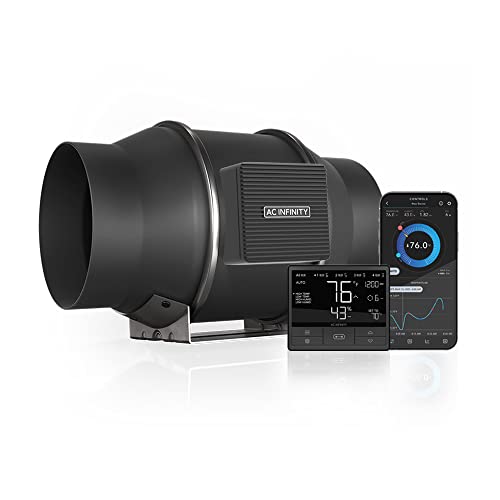
AC Infinity’s CLOUDLINE PRO T6 is an inline duct fan designed for attic ventilation and climate control systems. While not a standalone room AC, it serves as a critical component for attic cooling setups that require moving conditioned air between spaces, such as from a cooled living area to an attic or between a ducted system and an attic vent. Its temperature and humidity-based programming, plus a WiFi app for automation, enable precise environmental management. This makes it a strong option for attics that rely on ducted cooling or integrated systems to distribute cool air more evenly.
With dynamic scheduling and climate data logging, this unit supports longer-term attic cooling strategies, particularly when paired with a separate energy-efficient condenser or window unit. The ability to automate several “grow cycle” or cooling cycles also appeals to attic studios or workshops that demand stable temperatures for sensitive equipment or processes. For homeowners planning to route air through ducts to the attic, the PRO T6 helps optimize airflow and energy use.
COOLECH Windowless 70° Evaporative Cooler
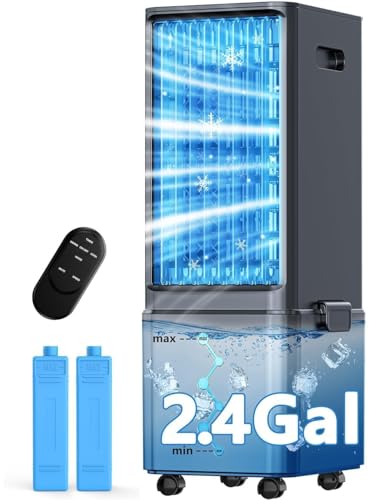
The COOLECH windowless evaporative cooler offers a versatile cooling method suitable for attic spaces where traditional AC installation is challenging. With four modes, including cooling, normal, sleep, and nature, and three fan speeds, it creates up to 12 distinct cooling configurations. Its waterless alert system protects the unit by warning when water levels would impact performance, providing a safe operation profile even in more remote attic locations. The cooler’s design emphasizes extended runtime and silent operation, making it a practical choice for attic rooms where venting windows is difficult or undesirable.
Evaporative cooling adds moisture to the air, which can help alleviate dryness common in dry, attic environments. This model is particularly suitable for attics in hot, dry climates where a traditional compressor-based unit may be less efficient. The 70° swing and broad air distribution help reach corners of attic spaces that are often poorly cooled by ceiling fans alone.
GE 5,000 BTU Window Air Conditioner

The GE 5,000 BTU window unit is sized for smaller attic or upstairs rooms. It provides solid cooling for spaces up to around 150 square feet, which makes it suitable for compact attic bedrooms or storage rooms converted to living space. The unit is designed for relatively quiet operation and simple installation with an included kit, reducing the hassle of retrofitting an attic with window-ready solutions. While it’s smaller in capacity, it offers reliable performance for moderately hot attics, especially when paired with passive cooling strategies such as insulation upgrades or roof venting improvements.
Midea 8,000 BTU Inverter Window Unit with Heat

This Midea model combines cooling and heating in a single 8,000 BTU unit, providing comfort across seasons for attic spaces up to 350 square feet. The inverter-based design supports variable speed operation, delivering energy efficiency and smoother temperature control—especially valuable in attics where temperature swings are common. The unit includes multiple modes (Heat, Auto, Cool, Dry, Fan) and a 24-hour timer, with smartphone or voice control compatibility. Its comprehensive feature set makes it a strong candidate for year-round attic climate management.
Buying Guide: Attic Cooling Considerations
- Space size and layout: Measure the attic area to determine BTU needs. Larger attics may require portable units with higher BTUs or multiple cooling devices for even coverage.
- Ventilation and ducting: If you plan to use ducted cooling or pass air to attic spaces, inline duct fans with smart controls can optimize airflow and energy use.
- Window vs. windowless: Window units are simpler for small attics with existing openings. In windowless attics, evaporative coolers or portable units with exhaust venting are options, though performance may vary with humidity.
- Humidity management: Attics can trap humidity; units with dehumidification or integrated humidity sensors help maintain comfort and prevent condensation.
- Noise sensitivity: Look for units advertised as quiet (low dB ratings) if the attic doubles as a bedroom or study area.
- Energy efficiency: Inverter technology and smart controls reduce energy use, which is especially important for attic cooling where temperature regulation can be energy-intensive.
- Maintenance and safety: For evaporative coolers, monitor water quality or alerts. For window units, ensure proper installation and sealing to prevent leaks and drafts.
- Installability: If attic access is restricted, consider portable options with wheels or compact footprints. For ducted setups, plan for proper routing and insulation of ducts.
When choosing among these options, consider whether you need a quick, standalone solution (portable AC), a ducted approach (inline fans and fans with smart controls), or a hybrid that combines cooling with humidity management. Attics often experience rapid heat buildup; selecting an option with strong cooling power, quiet operation, and flexible installation will help maintain comfortable conditions without excessive energy use.