Best Air Scoops for Boilers: Efficient Air Removal Solutions
Keeping a boiler system running smoothly requires responsible air management. Air scoops and vents help prevent air lock, improve efficiency, and extend equipment life. This guide highlights high-quality air scoops and vents suitable for residential and light-commercial boilers, with practical insights on selecting the right size, material, and installation approach.
Summary of Selected Products
| Product | Brand | Key Feature |
|---|---|---|
| Taco 431-6 Air Scoop, 1″ Size | Taco | Cast iron, 1 inch, ammo for air removal in piping |
| HYDRO MASTER Automatic Air Vent Valve 1/8″ | HYDRO MASTER | Brass, auto vent, high pressure/temperature rating |
| Taco 400-4 1/8-Inch-NPT Float Air Hy-Vent | Taco | Brass, easy cleaning, rated to 150 psi |
| Taco 434-5 2-Inch Air Scoop | Taco | Cast iron, robust air separation at larger line sizes |
| Caleffi 502015A High Capacity Automatic Air Vent | Caleffi | High capacity, 1/8″ NPT, enhances system life |
Taco 431-6 Air Scoop, 1″ Size

The Taco 431-6 Air Scoop is a cast iron unit designed for 1″ piping. It supports effective removal of entrapped air from hot water distribution systems, reducing noise and improving circulation. Its sturdy construction makes it a durable choice for residential boilers and baseboard systems. The unit is sold individually, allowing flexible integration into existing loops.
HYDRO MASTER Automatic Air Vent Valve 1/8″
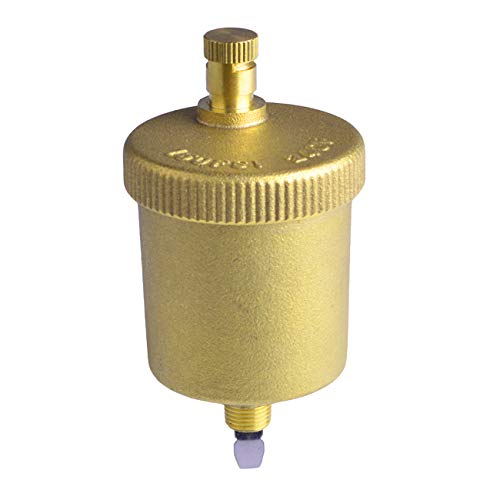
This automatic air vent by HYDRO MASTER is built from heavy-duty brass and designed for universal 1/8″ connections. It suits most heating systems, providing automatic air removal with minimal maintenance. The vent handles up to 150 psi and 240°F, making it adaptable for many residential boilers and hot water applications.
Taco 400-4 1/8-Inch-NPT Float Air Hy-Vent

This Taco 400 HY-Vent uses a float mechanism to vent accumulated air, designed for radiators, baseboards, and small unit heaters. It is compatible with up to 150 psi and supports easy access for cleaning. Brass construction provides reliable service in heating systems that require consistent air removal without frequent maintenance.
Taco 434-5 2-Inch Air Scoop

The Taco 434-5 is a larger air scoop designed for 2-inch lines. It supports robust air separation and helps maintain efficient flow in bigger boiler loops. Its cast iron construction aligns with long-lasting performance in demanding residential or light-commercial installations.
Caleffi 502015A High Capacity Automatic Air Vent

Caleffi 502015A is a high-capacity automatic air vent designed for larger systems. Its 1/8″ NPT connection and threaded configuration enable straightforward installation. The vent aims to prolong system life by efficiently removing air, reducing the risk of air pockets in loops and zones served by boilers.
Buying Guide: Air Scoops And Vents For Boilers
Key considerations help determine the right air removal components for a boiler system:
- System size and piping: Larger loops benefit from high-capacity scoops or vents; smaller homes may use standard 1/8″ or 1/4″ fittings.
- Material and durability: Cast iron and brass offer longevity in hot water systems, resisting corrosion and temperature fluctuations.
- Connection type and size: Ensure compatibility with existing threads (NPT) and compatible adapters if needed.
- Vent type: Automatic vents minimize maintenance, while float-type vents offer reliable manual control in certain configurations.
- Pressure and temperature ratings: Select devices rated for your boiler’s operating pressure and maximum temperature to prevent leaks or failures.
- Maintenance access: Cleaning access points and straightforward disassembly help maintain efficiency over time.
- Installation location: Place scoops upstream of radiators or baseboards where air pockets commonly form to optimize removal.
When comparing options, consider the balance of build quality, maintenance needs, and compatibility with your boiler’s size and design. For mixed-material systems (cast iron, brass, steel), prioritize components with corrosion resistance and robust seals. For automatic vents, verify that the vent’s response time matches your heating cycle to avoid frequent air release. Finally, keep spare parts like gaskets and seals accessible to minimize downtime during servicing.