Best Balancing Valve for Hot Water Return and Recirculation Systems
The modern home often relies on a hot water recirculation loop to reduce wait times and save water. A balancing valve or sensor valve play a crucial role in maintaining stable temperatures and efficient flow within the return line. This guide highlights five reliable options that integrate with common recirculation setups, detailing how each works, their compatibility, and key considerations for choosing the right valve for your system.
| Product | Brand | Application |
|---|---|---|
| Rheem SP8346 Temperature and Pressure Relief Valve | Rheem | Residential water heater safety, 3/4″ NPT |
| 595926 Sensor Valve | Sxmprail | Recirculation pump bypass compatibility |
| Watkins 35233 Check Valve | Hot Spring | Spa circulation prevention |
| HYDRO MASTER Tankless Service Valve Kit | HYDRO MASTER | Tankless heater compatibility |
| SWCFRTX Sensor Valve Kit | SWCFRTX | Recirculation systems with tank heaters |
Rheem SP8346 Relief Valve

The Rheem SP8346 combines temperature and pressure relief in a compact 3/4-inch NPT configuration, suitable for residential water heaters. Key specs include a maximum temperature setting of 210°F and a maximum pressure setting of 150 psi. The unit is designed to integrate with Rheem systems using standard NPT connections, with an overall length of 7-1/4 inches. This valve helps protect the heater from overpressure and overheating scenarios, a core safety consideration in any hot water recirculation setup where pressure fluctuations can occur along the return line.
In practice, this valve serves as a safety device within the return loop, ensuring that sudden pressure spikes or temperature excursions do not compromise the system. When selecting a balancing or safety valve for a recirculation circuit, this model offers reliability for Rheem equipment and straightforward installation for homeowners upgrading an existing heater. It’s important to pair such valves with compatible components and follow manufacturer guidelines for reset and testing intervals.
595926 Sensor Valve For Recirculation Pumps

This sensor valve is designed to work with popular recirculation pump families, including Grundfos UP and Watts Premier lines. It automatically opens when the hot line cools, pushing cooler water back toward the heater, and closes around 98°F to deliver hot water promptly at taps. The valve’s thermostatic behavior reduces wait times, saves water, and can lower energy use by improving the recirculation efficiency of a system with compatible pumps. The unit is intended for under-sink installation at the furthest fixture from the heater and supports integration with a variety of pump configurations.
When considering a sensor valve for a balancing or bypass role, compatibility with your specific pump model is critical. The sensor valve’s ability to maintain a quick and steady hot-water supply while minimizing waste makes it a strong candidate for homes with longer return lines. Ensure that the valve’s operating temperatures align with your heater’s performance and that the installation location minimizes backflow risk within the loop.
Watkins Replacement Water Check Valve 3/4″
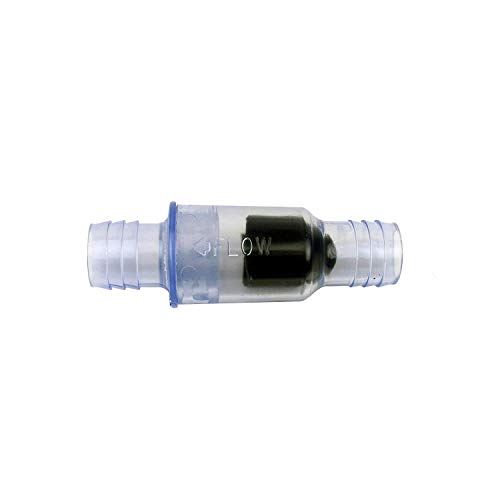
The Watkins 35233 check valve prevents backflow in spa circulation lines. While primarily used in Hot Springs and Tiger River spa systems, it also serves a broader role in protecting recirculation loops by ensuring unidirectional flow through pumps. A backflow preventer is important in any hot water return line to avoid cooling water returning to the heater and wasting energy. This valve is compatible with various spa models and helps maintain consistent water temperatures around the loop, which is a practical consideration for homes with spa-integrated recirculation in the same plumbing network.
In choosing a balancing or flow-control valve for a hot water return line that also features spa components, consider the valve’s seal integrity, material compatibility with hot water, and the ease of installation in tight spaces. While spa-focused, the device’s backflow prevention function can complement a dedicated recirculation strategy by preserving system pressure and reducing cross-flow between hot and cold lines.
HYDRO MASTER Tankless Service Valve Kit

This service valve kit is designed for tankless water heater installations, featuring a full set of hot and cold isolation valves, a pressure relief valve rated at 150 PSI, and full-port ball valves to maximize water flow. The kit’s 3/4-inch IPS compatibility makes it broadly usable across common tankless models from brands like Rheem, Rinnai, and EcoSmart. The inclusion of a pressure relief valve and robust brass components supports long-term reliability in recirculation-aware plumbing where tight shutoffs and rapid isolation may be needed for maintenance or balancing adjustments.
For households upgrading to tankless systems with hot water recirculation, this kit provides a cohesive valve assembly that can simplify installation while maintaining safety standards. When pairing with a balancing strategy for the return line, ensure the valve sizing matches pipe dimensions, and verify that the relief valve settings align with local code requirements and the heater’s specifications.
SWCFRTX Sensor Valve For Recirculation

The SWCFRTX sensor valve is designed for tank water heaters and recirculation systems, including compatibility with Grundfos and Watts models. It features a smart temperature control mechanism that opens as the hot line cools, pushing cooler water back to the heater, and closes around 98°F for immediate hot water delivery. The housing is made to handle high temperatures and pressures, providing durability in demanding recirculation environments. The kit includes 12″ supply lines and 1/2″ adapters, offering a straightforward installation path for homeowners focusing on heat efficiency and quick hot-water access.
Choosing this type of valve involves assessing pump compatibility, return-line layout, and the ease of integrating with existing sensor valve kits. A robust sensor valve can significantly reduce wait times and water waste, but it must be correctly matched with the pump model and the home’s plumbing geometry to avoid flow restrictions or mis-timed valve opening.
Watts Premier Sensor Valve Kit for 500800/500805

The Watts Premier Sensor Valve Kit is designed for Watts hot water recirculation systems, including models 500800, 500805, and HWRS-WH. This kit contains two 12″ supply lines, two reducing fittings, and mounting screws, enabling a modular approach to balancing and maintaining hot-water delivery across multiple fixtures. The valve opens when the hot line cools and closes at 98°F, reducing wait times and enabling energy-efficient circulation. For homes with multiple fixtures or longer run lengths, this kit provides a scalable, straightforward installation path that complements existing recirculation infrastructure.
When evaluating sensor valve kits, consider the overall system layout, the distance from heater to fixtures, and whether the existing recirculation loop is designed for parallel or series valve configurations. The Watts Premier kit is particularly user-friendly for DIY installations, but ensure compatibility with your pump and any remote sensors to maintain consistent performance.
Buying Guide: Key Purchase Considerations For Balancing Valves In Hot Water Return Lines
- Compatibility: Verify that the valve is compatible with your heater type (tankless vs. tank), pump model, and pipe size (0.5″ vs 0.75″ connections). Mismatches can cause leaks or poor performance.
- Temperature and Pressure Ratings: Choose valves with ratings that exceed your system’s operating conditions. Higher temperatures and pressures provide a safety margin for surges in the return line.
- Valve Type And Purpose: Sensor valves provide automatic bypass to improve wait times, while check valves and relief valves protect against backflow and overpressure. In some setups, a combination of valve types may be optimal.
- Installation Location: Position sensors or bypass valves at fixture locations furthest from the heater to maximize hot-water delivery and energy savings.
- Installation Ease: Look for kits with included fittings and clear instructions. If you’re upgrading an existing system, ensure you won’t need extensive re-piping.
- Materials And Durability: Brass and stainless components resist corrosion in hot water environments, extending service life in recirculation circuits.
- Maintenance And Replacement: Check whether components are readily available individually, not only as complete kits, to simplify future maintenance.
- Safety Compliance: Confirm that any installed relief or pressure-rated valves comply with local plumbing codes and integrate with your heater’s safety features.
- Energy Savings And Water Conservation: Sensor-driven valves can reduce water waste by shortening wait times, contributing to lower household energy use.
- Cost and Availability: Consider not only upfront price but also long-term maintenance costs, warranty coverage, and availability of replacement parts.
In sum, selecting the right balancing or sensor valve for a hot water return line involves aligning device compatibility with your heater type, recirculation pump, and home layout. The five options highlighted here provide a range of compatibility and features to support different configurations—whether you seek straightforward installation, enhanced safety, or minimized wait times for hot water.