Best Air Conditioning Antibacterial Treatments for Cleaner Indoor Air
Keeping indoor air clean is essential, especially in homes with HVAC systems that circulate air throughout living spaces. This article highlights top antibacterial treatments designed for air conditioning systems, including humidifier care, duct and filter sanitation, and odor removal. Each product is evaluated for effectiveness, ease of use, and coverage to help you choose the right solution for healthier air.
Summary of selected products:
- Essick Air 1970-2 Humidifier 2-Pack Bacteriostatic Treatment
- Essick Air 1970 Humidifier Treatment (4 Pack)
- PermaSafe HVAC Solutions Antimicrobial Air Filter Treatment
- nextzett Klima Cleaner Pro Automotive AC Odor Eliminator
- PermaSafe HVAC Solutions Mold Removal & Prevention Treatment
Essick Air Humidifier Bacteriostatic Treatments

Essick Air offers bacteriostatic treatments designed for humidifiers, helping control microbial growth that can aggravate indoor air quality problems. The 2-pack version provides two 32-ounce bottles, suitable for households with multiple units or shared humidifiers. Regular use can help limit the spread of bacteria and algae in moisture-rich environments, reducing potential odors and irritation associated with humidifier reservoirs. Compatibility should be confirmed with your specific humidifier model to ensure proper dosing.
Essick Air Humidifier Treatment—4 Pack
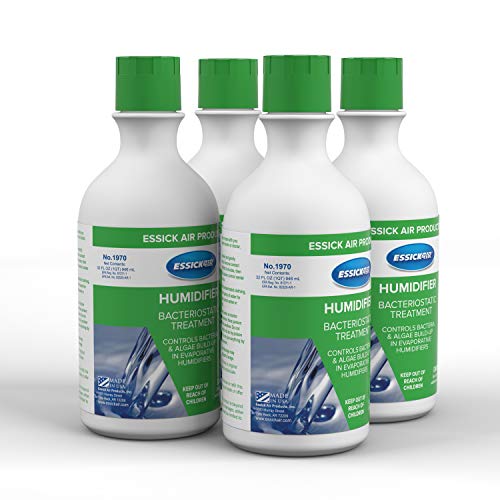
This Essick Air treatment is formulated to control odors and inhibit the growth of bacteria and algae in humidifiers. It emphasizes using the original Essick Air product for optimal humidifier performance, which can help maintain clearer water tanks, reduce mineral buildup, and promote cleaner mist output. The 4-pack offers sustained supply for households running multiple units or for long-term maintenance. Users should follow label directions and recommended intervals for dosing to achieve best results.
PermaSafe Antimicrobial Filter Treatment

PermaSafe’s antimicrobial treatment for HVAC filters adds microbiostatic properties to filtration media, inhibiting microorganism growth and helping prevent bacteria spread for up to three months. It also focuses on odor control by targeting odor-causing microbes, keeping ducts and system components smelling fresher. This option is designed for all system components, including ducts, and aims to reduce odor persistence without extensive equipment changes. Consider compatibility with your filter type and the expected maintenance interval when selecting this solution.
nextzett Klima Cleaner Pro for AC Odor Elimination

Nextzett Klima Cleaner Pro is designed for automotive air conditioning but has relevance for smaller or portable HVAC applications where evaporator cleaning is needed. It penetrates to remove odor-causing deposits in the evaporator area and flushes away organic buildup. A notable feature is a professional-grade delivery system with a flexible 2-foot hose to direct cleaning foam precisely where needed. While primarily marketed for automotive systems, its cleaning action can inform broader approaches to reducing odor sources in compact climate-control setups.
PermaSafe Mold Removal & Prevention in Ductwork

PermaSafe’s mold removal and prevention treatment targets roots of mold, mildew, and fungi within HVAC systems and ductwork. Three active ingredients provide robust sanitization with minimal effort, aiming to disinfect surfaces and prevent recurrence. It’s positioned as a comprehensive indoor air quality enhancer that can reduce odors associated with microbial growth. Before application, assess duct material compatibility and consider a thorough cleaning program to maximize efficacy and minimize re-infestation risks.
Buying Guide: Key Considerations for Air Conditioning Antibacterial Treatments
Choosing the right antibacterial treatment for air conditioning involves balancing effectiveness, safety, compatibility, and ease of use. The following points help compare options across humidifier care, filter treatments, and duct/evaporator cleaners.
- Target area: Identify whether your primary concern is humidifier reservoirs, filters, ducts, or evaporator coils. Treatments are often specialized for each area, and using the right product can improve outcomes.
- Active ingredients: Common ingredients include antimicrobial compounds that inhibit bacteria and algae, along with deodorizing agents. Review label claims to understand how long protection lasts and how frequently to reapply.
- Compatibility: Confirm compatibility with your equipment—humidifiers, filter media, duct materials, and any metal components. Some products are designed for specific brands or models and may not work well with all systems.
- Application method: Consider ease of application and delivery systems, such as pour/blend formats, sprays, or foaming cleaners with hoses that reach into evaporator areas. A simple, guided process reduces risk of improper dosing.
- Odor control: If odor is a primary issue, prioritize products that target odor-causing microorganisms and offer long-lasting relief without overpowering fragrances.
- Maintenance cycle: Evaluate how often you should reapply or replace treatments. Longer intervals can reduce maintenance time but may require more robust products for sustained effects.
- Safety and ventilation: Follow safety instructions, wear protective gear if needed, and ensure adequate ventilation during and after application to avoid respiratory irritation.
- Evidence and certification: Look for products tested for antimicrobial efficacy and third-party certifications when available. Independent testing adds credibility to performance claims.
- Cost per use: Compare bottle sizes, coverage, and recommended dosing to estimate annual costs. Durable, high-coverage formulations can offer better long-term value.
In selecting antibacterial treatments for air conditioning, it is important to adopt a holistic approach: pair chemical treatments with routine physical cleaning of coils, ducts, and filters, and consider improving overall indoor air quality with regular filter changes and humidity control. Always follow manufacturer directions for each product and consult HVAC professionals for complex systems or persistent odor and mold issues.