Best Small Portable Air Conditioners for Campers: Compact Cooling for RVs, Vans and Tents
Camping and RV trips benefit from compact cooling that doesn’t overwhelm limited space or power. The following five portable air conditioners are among the most relevant options for campers, offering multi‑function modes, remote control, and easy installation. This guide highlights their strengths, handy features, and what to consider when choosing a unit for over‑the‑road comfort.
| Product | Brand | Type | Approximate Space Coverage |
|---|---|---|---|
| Ivation 6,500 BTU Camper AC | Ivation | 3-in-1 (Cooling/Dehumidifying/Ventilation) | Small to mid-sized campers |
| Feelfunn 3-in-1 8,000 BTU Portable AC | Feelfunn | Cooling/Dehumidifying/Fan | Up to 350 sq ft equivalent |
| EUHOMY 8,000 BTU Portable AC | EUHOMY | Cooling/Dehumidifying/Fan | Up to 350 sq ft |
| Uhome 8,000 BTU Portable AC | Uhome | Cooling/Dehumidifying/Fan | Up to 350 sqft |
| Evapolar evaCHILL Portable AC | Evapolar | Mini evaporative cooler | Personal cooling, 3–5 ft range |
These units balance portability, cooling capacity, and noise levels, helping campers stay comfortable without sacrificing space or power efficiency. When evaluating options, note energy use, window or installation requirements, and whether you need dehumidification, humidification, or fan-only modes for varied climates.
Ivation 6,500 BTU Camper AC
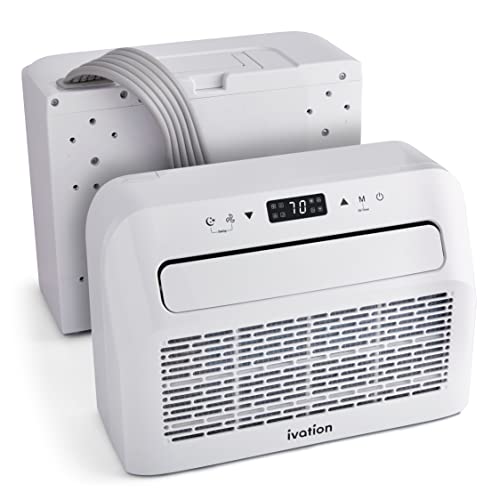
The Ivation unit is designed for RVs, caravans, and similar compact interiors. It combines cooling with a dehumidifier and fan, offering a comfortable climate with a digital display and memory functions. A notable feature is its over‑the‑sill mounting design, which helps preserve natural light and keep the window view unobstructed. The unit’s split design moves the compressor outside, reducing inside heat load and noise while maintaining effective cooling indoors. Temperature control spans 60°F to 86°F, with selectable fan speeds, swing, a timer, and sleep mode to enhance overnight comfort. This model targets reduced vibration and quieter operation through dampers and a saddle window mount, making it suitable for motorhomes, campers, and travel trailers.
Feelfunn 10,000 BTU Portable AC
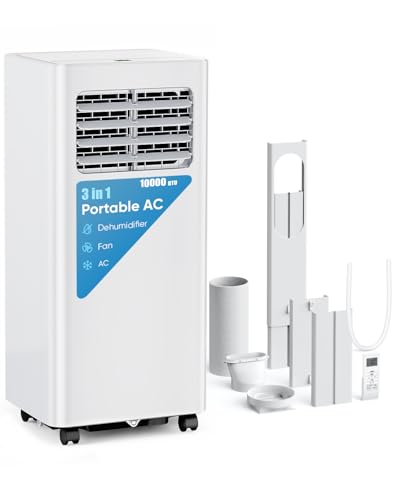
While marketed for larger spaces, Feelfunn’s 10,000 BTU unit demonstrates the versatility expected in portable AC. It drives cooling across up to about 450 sq ft and includes a remote, sleep mode, and a 24‑hour timer. The 3‑in‑1 design provides cooling, dehumidification, and fan operation, with a low maintenance water alert to avoid spills. For campers seeking stronger cooling for larger RV living spaces or for temporary setups at campsites with more open areas, it’s a robust option—though it may be heavier and require more power than smaller, purely RV‑oriented models.
EUHOMY 8,000 BTU Portable AC

EUHOMY offers a compact 8,000 BTU model built for mixed use environments, including bedrooms or small apartments, and campers. It combines cooling, dehumidifying, and a fan in a single unit with a universal window kit for simple installation. The unit emphasizes fast cooling with a broad airflow and adjustable temperature control from 60°F to 86°F. Sleep mode and a 24‑hour timer provide extended comfort, while the window kit supports easy venting without extensive hardware. This makes it a practical option for campers who want steady cooling during the hotter months without frequent adjustments.
Uhome 8,000 BTU Portable AC

Uhome emphasizes quiet operation with up to 8,000 BTU of cooling power and a 350 sqft capacity, suitable for compact RV interiors or small cabins at campsites. The unit’s 3‑in‑1 feature set covers cooling, dehumidifying, and fan modes. An LED display and a compact remote enable easy adjustments from across a room, while a 24‑hour timer helps optimize energy use and climate control over longer camping stays. The built‑in wheels support portability across campsite setups, and the window ventilation kit simplifies installation in diverse RV configurations.
Evapolar evaCHILL Portable Air Conditioner

Evapolar evaCHILL is a compact, personal evaporative cooler designed for desks, cars, tents, or small campers. It focuses on delivering a cooled breeze within a 3–5 foot range using evaporative technology, which is energy efficient and ideal for dry climates. Its portability, low power draw (about 10W), and handheld form factor make it a practical supplement to a larger RV unit or a standalone cooling option for a single occupant. The evaCHILL is best used for personal comfort rather than room‑sized cooling and works well in conjunction with a roof vent or ceiling fan in a small camping setup.
Buying Guide: Key Purchase Considerations For Campers
- Space and installation: For campers, a unit with a compact footprint, light weight, and simple window or non‑window mounting is ideal. Consider over‑the‑sill or external compressor designs if window space is limited or if the view matters.
- Cooling capacity vs. space: Match BTU ratings to your living area. Smaller RVs or tents benefit from units in the 6,000–8,000 BTU range, while larger campers may justify 8,000–10,000 BTU options. Evaporative coolers are best in dry climates and tiny spaces.
- Modes and features: 3‑in‑1 units (cool, dehumidify, fan) offer flexibility for summer and shoulder seasons. Sleep mode, timers, remote control, and digital displays improve ease of use in a bunk or cab area.
- Power considerations: Check electrical requirements and the availability of shore power at campsites. Portable units that run efficiently on standard 110V power are common, but be mindful of overall energy use in dry camping scenarios.
- Noise and vibration: Quiet operation is valuable in close quarters. Look for dampers, smart mounting options, and split designs that minimize indoor noise and vibrations while maintaining cooling effectiveness.
- Maintenance and drainage: Dehumidifying modes require reservoir management. Some units provide full‑tank alerts; others rely on external drainage. Evaporative models require water, but typically have lower energy use.
- Window and venting compatibility: A universal window kit or rooftop venting is helpful for diverse campers. Ensure the exhaust hose length and direction fit your vehicle or tent configuration.
- Cost of ownership: Consider both upfront purchase price and ongoing running costs, including power consumption and potential maintenance or filter replacements.