Best Split AC With HEPA Filter Options for Cleaner Indoor Air
Split air conditioners with compatible filter upgrades offer a practical path to improved indoor air quality. This guide highlights five filter-equipped mini-split and related options that support enhanced filtration, ease of installation, and reliable performance. Each product section provides a concise overview, key features, and a direct link to the Amazon listing for quick shopping. The buying guide below helps you evaluate compatibility, filter type, and maintenance considerations to match your setup and air quality goals.
| Product | Brand | Key Filter Feature |
|---|---|---|
| 2-Pack Filter Compatible with COSTWAY 12000BTU Mini Split | GKOKG | 12.7 x 10.6 inches; 2 filters per package; confirm size before purchasing |
| U01 A01 100 Replacement Filter for Mitsubishi Mini Splits | Ontheone | Wide compatibility; durable mesh design; replace every 3–6 months |
| 2Pcs 4007597 Mini Split Filter for Daikin | BIBIELF | High-quality synthetic fibers; long-lasting filtration performance |
| Mini Split Air Conditioner 9000 BTU with 18.5 SEER2 | PeacefulHues | Smart features, energy efficiency, multiple modes; supports clean air with filtration aids |
| Original Mitsubishi MAC-1415FT-E Mini Split Filter | Original Mitsubishi | OEM filter; fits multiple Mitsubishi models; recommended change every 4 months |
The following selections emphasize compatibility, effective filtration, and straightforward maintenance. Each product section includes a direct Amazon link, an image, and notable features to help you compare options for a split system with enhanced air quality capabilities.
2-Pack Filter for COSTWAY Mini Split Systems
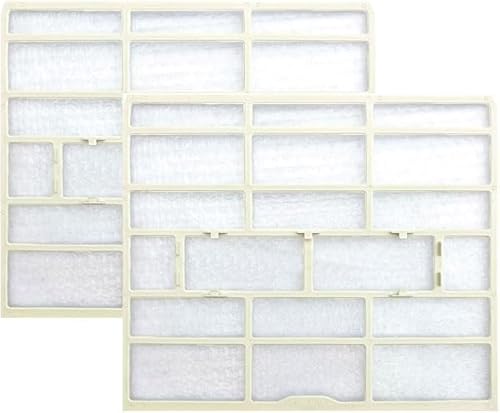
The GKOKG filters are designed for COSTWAY 12000BTU mini split systems and match model 10901-CYFP with a size around 12.7 x 10.6 inches. The package includes two filters, providing an economical option for regular replacements. Proper sizing is essential to ensure a secure seal and optimal airflow through the unit. Routine checks help maintain consistent cooling performance and air quality.
U01 A01 100 Replacement Filter for Mitsubishi Mini Splits
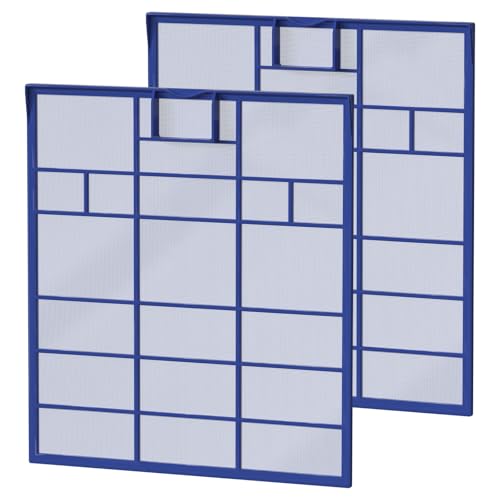
The Ontheone U01 A01 100 filter offers wide compatibility with several Mitsubishi Electric mini-split models, including MSZ-GE and MSY-GE series. The filter features a durable mesh design to trap dust, pollen, and airborne particles, supporting cleaner indoor air. Easy installation is emphasized, with a slide-in approach that minimizes downtime. Replacement every 3–6 months helps sustain airflow and system efficiency.
2Pcs 4007597 Daikin Mini Split Filter
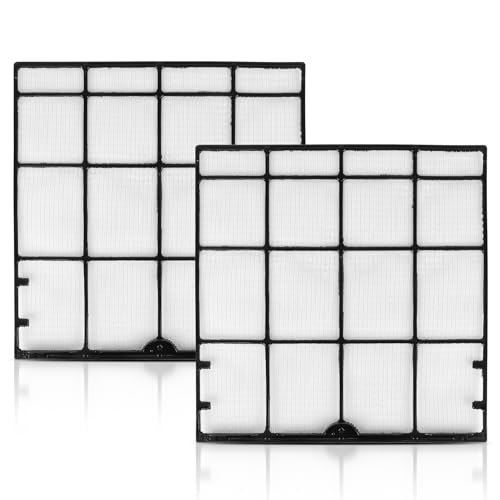
These Daikin-compatible filters (part 4007597) fit several CTKS and CTXS series Daikin mini splits, among others. High-quality synthetic fibers deliver reliable filtration performance across extended use. This makes them suitable for households seeking a durable, cost-effective replacement option that helps capture dust and small particles while maintaining airflow priorities in compact spaces.
Mini Split 9000 BTU With Filtration and Smart Features
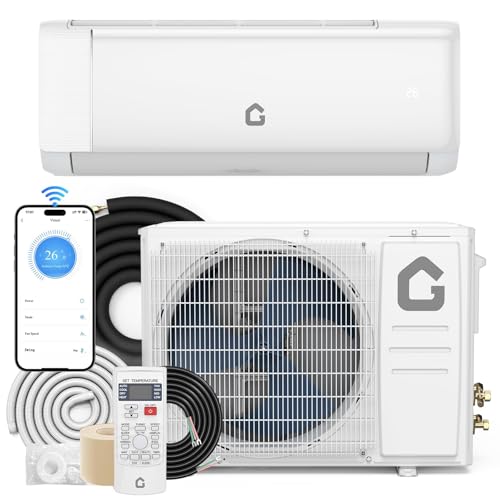
PeacefulHues offers a 9000 BTU mini split with 18.5 SEER2 efficiency and smart capabilities. While primarily marketed on efficiency and convenience, the unit integrates with air quality considerations via modern filtration options and a broad temperature range for reliable operation. Features include WiFi compatibility for voice assistants and scheduling, plus multiple climate modes to optimize comfort while promoting cleaner indoor air through system design and filtration strategy.
Original Mitsubishi MAC-1415FT-E Mini Split Filter

The MAC-1415FT-E OEM filter is designed for Mitsubishi models including MSY-D30NA-8 and MSZ-D36NA-8, among others. As an official Mitsubishi part, it’s positioned as a direct replacement for original performance, with a recommended replacement interval every 4 months. This ensures consistent filtration performance and helps maintain unit efficiency, particularly in environments with higher dust or pollen loads.
NentMent 10 Pack Mini Split Inlet Filters

The NentMent package contains 10 inlet dust screens designed for ductless systems. Made from non-woven fabric, these filters offer breathability and wrinkle resistance, with a trim-ready size of 90 x 20 cm. This bulk option supports long-term filtration maintenance across several units or areas, enabling straightforward replacement cycles to support healthier indoor air environments.
Buying Guide
Choosing the right filter options for a split air conditioner involves weighing several factors. Start by confirming model compatibility and exact filter dimensions; incorrect sizing can hinder airflow and filtration effectiveness. Look for filters designed for HEPA-like performance, or at least high-quality microfiber and synthetic fiber filtration, to capture dust, pollen, and other particulates.
- Compatibility: Verify model numbers and size specifications for each unit. OEM filters generally guarantee fit but may be less flexible for non-Mitsubishi or Daikin units.
- Filtration level: While true HEPA filters are uncommon in residential mini splits, select filters with dense fiber matrices or durable mesh to improve removal of fine particles.
- Maintenance and replacement: Note recommended replacement intervals (e.g., every 3–6 months or annually). More frequent replacement is common in high-dust environments or households with pets.
- Installation ease: Filters that slide in or snap into place reduce service time and keep the system sealed to maintain efficiency.
- Air quality features: Some units couple filtration with smart controls, timers, or negative ion modes to enhance perceived air quality alongside physical filtration.
- Durability and materials: Synthetic fibers and robust mesh designs typically offer longer service life under regular operation and cleaning cycles.
- Cost per unit vs. pack size: Bulk packs lower per-filter cost and reduce shopping frequency, but ensure you have proper storage space and confirm ongoing replacement needs.
In practice, the best choice balances compatibility with your specific mini split, desired filtration level, and maintenance convenience. OEM filters deliver exact fitment and performance for branded systems, while third-party options can offer cost-effective, high-quality alternatives. For households targeting improved indoor air quality, pairing reliable filtration with regular replacement improves overall performance and comfort without adding substantial operational overhead.