Best Wood Pellet Boiler Stoves for Efficient Home Heating
Introduction
Wood pellet boiler stoves offer a blend of traditional cooking and reliable heating, with modern efficiency and cleaner burning. This guide highlights five relevant products that support pellet stove use, insulation needs, door hardware, gaskets, and versatile outdoor setups. Each pick focuses on durability, heat resistance, and practicality for American homes relying on pellet or wood fuel. The following overview provides quick access to core features and how they fit into a pellet stove system.
| Product | Brand | Key Use | Highlights |
|---|---|---|---|
| Lyrufexon Ceramic Fiber Insulation (24 x 15.7 x 1 in) | Lyrufexon | Insulation for wood stove baffles, pellet stoves | 2600°F fireproof, versatile applications |
| 2 Pcs BBQ Pellet Stove Spring Door Handle | LIZEWEI | Replacing/upgrading stove door handles | Fits most stoves with 1/2 inch rod |
| GREEN STOVE Pellet Stove With Oven | GREEN STOVE | Outdoor cooking and heating | Includes chimney pipe sections, adjustable power |
| Door Rope Gasket 1 1/4″ | Gaskets Inc. | Door sealing for stoves/boilers | Fiberglass, durable gasket material |
| Lynn Manufacturing Ceramic Fiber Paper (2100°F) | Lynn Manufacturing | Gasket material for high-temp needs | Flexible, easy to cut, 2100°F rated |
Wood Pellet Boiler Stoves: Insulation And Heat Management

Proper insulation is critical for pellet and wood-fired systems. The Lyrufexon 24″ x 15.7″ x 1″ ceramic fiber blanket is designed to withstand direct flame and high temperatures, providing reliable fireproof insulation for stove baffles, fireplaces, and boiler lines. Its wide applicability—from wood stoves to pizza ovens—means this blanket can help minimize heat loss and protect surrounding components. When installed around heat-producing sections, it helps maintain consistent burn temperatures and improves overall system efficiency.
Lyrufexon 60″ Insulation For Larger Boilers
For larger pellet boiler or wood stove installations, a thicker, wider blanket expands the insulation envelope. The 60″ x 24″ x 1″ option offers ample coverage for expansive baffle systems and primary heat pathways, supporting uniform temperatures and reduced heat loss. Ceramic fiber blankets offer excellent creep resistance and can be cut to fit complex geometries, making them suitable for retrofit projects or new builds where optimal thermal management matters most.
Door And Accessory Upgrades For Pellet Stoves
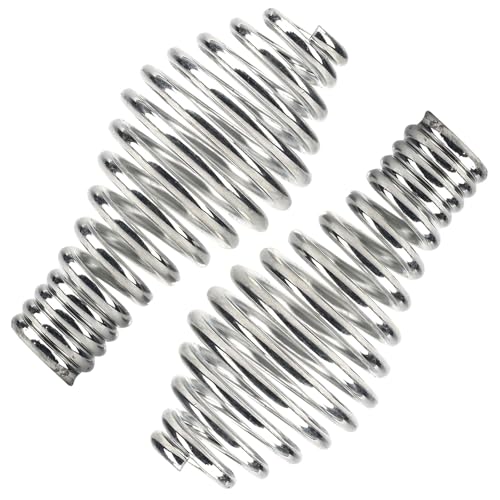
Upgrading door hardware improves operation and safety. The 2-piece BBQ Pellet Stove Spring Door Handle by LIZEWEI fits most wood stoves using a 1/2 inch rod, enhancing latch reliability and ease of use. A robust handle reduces the risk of door warping or air leaks around a sealed chamber, contributing to more stable combustion. This small but meaningful upgrade helps maintain consistent burn conditions, crucial for pellet and wood fuel efficiency.
Gasket Materials For Heat Integrity

Sealing edges and doors with high-temperature gasket materials is essential for preserving stove efficiency and safety. The Door Rope Gasket 1 1/4″ from Gaskets Inc. provides fiberglass-based sealing that resists heat and maintains a tight fit around stove doors. Complementary products, such as Lynn Manufacturing ceramic fiber paper, can be used to construct or repair gaskets in areas requiring flexible, heat-tolerant seals. Together, these components reduce air leaks and protect against heat-related wear in pellet and wood systems.
High-Temperature Gasket Solutions

The Tobaiwind high-temperature gasket paper offers a ceramic-fiber-based solution for DIY gasket projects. With 7″ x 10″ sheets thick 1/8″, it supports multiple repair tasks for pellet stoves and boilers, including replacing worn gaskets and fabricating new seals. The material’s insulation and chemical stability help prevent heat loss and extend component life, especially in high-temperature zones where flexible, cut-to-fit gaskets are needed for a precise seal.
Additional Insulation And Gasket Alternatives
In addition to dedicated insulation blankets, other ceramic fiber options provide high-temperature sealing and bulk coverage for stove enclosures. The Lynn Manufacturing paper is a practical choice for gasket material, offering clean cuts and reliable performance in boilers and stoves. These items support effective heat management and durable sealing across various pellet and wood-burning appliances, enabling better efficiency and safer operation in homes that rely on pellet stoves for heating.
Buying Guide
- Heat tolerance and application: Choose insulation and gasket materials rated for the temperatures your stove produces. For high-output pellet systems, look for 2100°F, 2600°F, or higher specifications and ensure compatibility with your stove model.
- Fit and compatibility: Door handles, gaskets, and insulation should match your stove’s dimensions and mounting hardware. When in doubt, verify rod sizes (e.g., 1/2″ or 7/16″) and door thickness to ensure a proper seal and operation.
- Seal integrity: A tight door seal reduces air leaks, improves combustion, and lowers fuel use. Fiberglass and ceramic fiber materials are common for seals; ensure they’re rated for continuous high-temperature service.
- Installation considerations: Some items are DIY-friendly (gasket sheets, flexible insulation), while others may require professional assistance (structural insulation around baffles, stove modifications). Plan for safe handling of hot components and proper ventilation.
- Versatility: The best accessories work across multiple stove types—wood, pellet, and outdoor stoves—so you can reuse components across projects or in different environments (garage, workshop, camping setups).
- Durability: Look for materials with robust construction, resistance to chemical wear, and stable performance after repeated heating and cooling cycles. This minimizes replacement frequency and maintenance costs.
- Safety features: Prioritize items that reduce radiant heat exposure to surrounding areas, prevent gasket blowout, and maintain consistent burn characteristics for safer operation.