Best Drop-in Refrigerants for R22 Systems: Quick Guide and Top Picks
The following article highlights high‑level information on drop-in refrigerants for R22 systems and features five top products. Each product page links to Amazon for more details. The focus is on compatibility, protection for HVAC/R equipment, and practical considerations for select refrigerants in R22 applications.
| Product | Brand | Core Benefit | Key Relevance to R22 |
|---|---|---|---|
| Arctic Air for R22 Systems, 3 Cans | cmebiz | Boosts R22 systems with Arctic Air | Direct R22 compatibility |
| Arctic Air for R22 Systems, 6 Cans & Brass Gauge | Generic | Expanded capacity with charging gauge | Ideal for larger R22 jobs |
| ENVIRO-SAFE Envirosafe 3 cans | ENVIRO-SAFE | Arctic‑style boost with gauge set | USA‑made option for R22 |
| APFD-052S 1/4 in Filter Drier | AP APPLI PARTS | Humidity and acid protection | Supports R22 systems via drop-in drier |
| APFD-083S 3/8 in Filter Drier | AP APPLI PARTS | Humidity and acid protection | Compatible in R22 lines |
Arctic Air for R22 Systems, 3 Cans

Arctic Air booster solutions are designed specifically for R22 systems. This product line emphasizes quick restoration of cooling performance while maintaining system integrity. The three‑can package is suitable for smaller systems or initial boosting steps, and it is marketed for straightforward use in refrigerant lines that handle R22. When evaluating, consider the system layout, potential unit charging requirements, and whether a gauge or additional tools are included in the kit.
APFD-052S 1/4 In Liquid Line Filter Drier

AP Part’s 052S is described as a universal drop‑in filter drier for refrigeration and air conditioning systems. It features a solid molecular sieve core to remove moisture and protect against acids, with a broad refrigerant compatibility list that includes R22. Operating temperature range spans from -40C to 70C, making it adaptable to varying climate and load conditions. For R22 systems, this component can be essential to protect against moisture-induced corrosion and acid formation during operation or retrofitting.
APFD-082 1/4 In Liquid Line Filter Drier

The APFD-082 is another universal drop‑in option for refrigerant lines, similar in purpose to the 052S but with a larger 1/4 inch liquid line connection. It adheres to the same protection principles—humidification control and acid scavenging—while supporting a wide range of refrigerants, including those compatible with R22. When selecting, verify the service line diameter and the specific installation geometry to ensure a correct fit and efficient moisture removal.
APFD-033 3/8 In Liquid Line Filter Drier
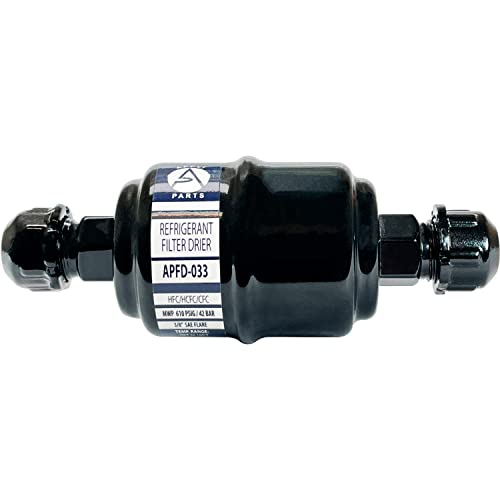
The 033 model provides a universal, unidirectional solution with a 4.5‑inch long core and 1.75‑inch width. It shares the same core composition aimed at moisture removal and protection for HVAC/R systems. For R22, confirm compatibility with the line size and connection type, as well as the overall system configuration, to ensure compatibility with existing driers or during retrofits.
ENVIRO-SAFE Envirosafe 3 Cans

Envirosafe’s Arctic‑style boost with a brass gauge set targets R22 systems. The kit is marketed as Made in the USA and typically combines multiple cans with a charging gauge/hose set. For R22 users, gauge inclusion can simplify pressure checks and charging accuracy, while the cans address refrigerant top‑ups and system performance restoration. Consider whether you need a gauge kit or a pure refrigerant boost package, and verify compatibility with your system’s service ports and fittings.
Buying Guide: Key Purchase Considerations for R22 Drop-Ins
- System compatibility: Confirm that the product supports R22 refrigerant and matches your line sizes, connections, and gauge requirements. Some kits include gauges, hoses, or adapters that streamline charging and testing.
- Moisture and acid protection: Filters and driers protect HVAC/R systems from moisture and acids. Choose products with solid molecular sieve cores and proven moisture removal capabilities.
- Pour speed and capacity: For smaller units, 3‑can or 6‑can Arctic Air options may suffice, while larger systems may require higher capacity kits or multiple cans. Assess your specific cooling load and service procedure.
- Package contents: Some listings include additional tools (gauges, hoses), while others are pure refrigerant or filter driers. Decide whether you need a complete kit or individual components.
- Temperature and climate range: Ensure components are rated for the expected operating temperatures in your installation environment to prevent performance loss or leakage risk.
- Manufacturer and warranty: Opt for reputable brands with clear documentation and warranty terms. USA‑made options can offer certain quality assurances and support.
- Safety and handling: Follow all safety instructions for handling refrigerants, including proper PPE and ventilation during charging, and adhere to local regulations regarding refrigerant handling.
Selecting the right drop‑in refrigerant or accessory for R22 systems involves balancing system needs, ease of use, and long‑term protection. While Arctic Air products emphasize quick boosts, filter driers protect the refrigerant circuit from moisture and acids. The buying choices range from simple cans to full gauge kits, enabling tailored solutions for home, shop, or service environments. Review the product features, installation requirements, and compatibility notes before purchasing.
Additional Perspectives to Consider
- Retrofit readiness: If your system was engineered for R22, assess whether a direct R22 booster is preferable to a retrofit with alternative refrigerants. Some systems may tolerate drop‑in amendments, while others require professional assessment.
- Environmental and regulatory context: R22 is subject to regulatory considerations in some regions. Ensure that your usage complies with applicable guidelines and disposal practices for old refrigerants and equipment.
- Long‑term maintenance: In addition to a one‑time boost, consider ongoing maintenance plans—filters, driers, and regular checks—to sustain system efficiency and refrigerant integrity.
- Installation expertise: For valve ports, gauges, and line connections, professional installation or supervision can reduce the risk of leaks or improper charging that could affect performance.