Best Kitchen Fire Suppression Systems for Home Safety and Protection
Choosing the right kitchen fire suppression system involves evaluating fast-acting protection, ease of installation, and compatibility with residential layouts. This guide highlights five reliable options designed for home kitchens, including automatic stove-top responders, portable extinguishers, and tube-style suppression kits. Each product is evaluated for activation method, operating temperature, and maintenance needs to help you compare effectively.
| Product | |||
|---|---|---|---|
| StoveTop FireStop Rangehood Fire Suppressor | Automatic, under-hood | Direct flame contact | Grease-fire specific, quick automatic release |
| Amerex C260 6 Liter Class K Fire Extinguisher | Wet chemical extinguisher | Manual discharge | Kitchen-approved chemical for commercial-style cooking fires |
| First Alert EZ Fire Spray AF400 | Aerosol spray extinguisher | Manual discharge | Long-lasting spray for multiple fire types |
| FireSlayer RV Tube Extinguisher | Tube-based fixed system | Automatic (Dupont Fe-36) | Compact, climate-ready protection for vehicles and small spaces |
| Vaticas Rubber Blow Off Caps Kit | Replacement vent caps | Manual maintenance | Prevents grease buildup and nozzle clogging |
The selections prioritize residential kitchen safety, ensuring options cover both fixed suppression and portable alternatives. While no single solution fits every home, combining an automatic under-hood system with a robust extinguisher and proper maintenance provides comprehensive protection against common kitchen fires.
StoveTop FireStop Rangehood Fire Suppressor

Designed for residential kitchens with four-burner stoves, the StoveTop FireStop Rangehood Fire Suppressor provides essential protection against grease fires. It automatically activates when exposed to direct flame contact, releasing a dry-powder fire-suppressing agent to quickly suppress flames. Installation is described as easy, with magnets that secure the unit under the range hood, making it a practical option for renters or homeowners seeking minimal disruption. This system is specifically labeled for grease-fire scenarios and is a targeted solution for stove-top cooking hazards.
Amerex C260 6 Liter Class K Fire Extinguisher
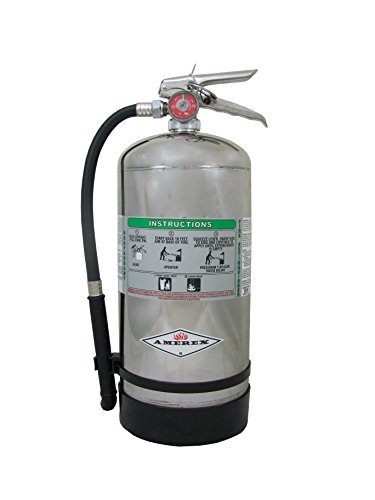
The Amerex C260 is a 6-liter Class K wet chemical fire extinguisher designed for kitchen use. Elevated safety standards are reflected in its UL/ULC ratings and a discharge time of about 53 seconds, enabling effective control of high-temperature cooking fires. This extinguisher is tailored for professional-grade kitchens, yet remains suitable for home kitchens that implement serious fire protection strategies. Manual discharge requires user familiarity, so it’s important to train household members on proper operation during an incident.
RV Automatic Fire Suppression Tube Extinguisher

This automatic tube extinguisher uses a 6-foot tube filled with Dupont Fe-36 clean agent and is designed for quick, automatic response to fires. It functions in climate conditions from -35F to 175F, making it versatile for garages, RVs, and certain kitchen configurations with limited access. The complete kit includes zip ties and clamps for straightforward installation. For households with space constraints or those seeking a non-handheld option, this unit provides reliable, automatic protection where a fixed system is feasible.
Vaticas Rubber Blow Off Caps For R102 Nozzles

These blow-off caps fit R102 Piranha nozzles and are designed to seal around suppression nozzles to prevent grease buildup and nozzle clogging. Regular maintenance with rubber vent caps helps ensure kitchen fire suppression systems remain compliant with safety inspections. The caps are described as durable and grease-resistant, supporting long-term performance in high-heat kitchen environments.
Stainless Piranha Rubber Blow Off Caps by SZRKRLA

Varying from the earlier caps, Vaticas’ and SZRKRLA’s rubber blow-off caps provide compatibility with R102 Piranha nozzles and various kitchen hood systems. They emphasize durability, grease resistance, and heat tolerance. For kitchen inspections, these components help maintain a sealed, functional suppression pathway by protecting nozzle integrity against grease accumulation and wear over time.
ComplianceSigns Fire Suppression System Sign

The ComplianceSigns sign communicates fire safety information clearly, aiding in compliance and quick identification of fire suppression equipment. Made from durable plastic with protective laminate, it includes rounded corners and mounting holes for easy installation. While not a physical suppression device, clear signage supports safety training and evacuation planning in case of kitchen fires.
Buying Guide: Key Purchase Considerations
- System type and installation: Fixed under-hood suppression systems offer automatic protection for grease fires, while portable extinguishers provide flexible coverage across the home. Assess whether you want a ready-made kit, a professional installed system, or a combination approach.
- Activation method: Automatic suppression is ideal for unattended cooking areas, but manual extinguishers remain essential for immediate response and mitigation until help arrives.
- Chemical and agent type: Wet chemical (Class K) extinguishers are designed for commercial-style kitchens with cooking oils and fats, whereas dry-powder and aerosol options provide broader fire-type coverage. Consider local codes and kitchen design when choosing.
- Temperature and climate compatibility: Ensure components tolerate kitchen heat and potential fluctuations in ambient temperatures, especially for garage or outdoor-adjacent kitchens.
- Maintenance and inspections: Regular checks of nozzles, hoses, caps, and seals prevent clogging and ensure readiness. Replace worn caps and verify magnet-based installations remain secure.
- Scalability and future-proofing: For growing households or updated kitchens, plan for modular systems or upgrade paths that simplify future enhancements without redeploying entire setups.
- Compliance and signage: Use clear labeling and signage to meet safety regulations and facilitate quick identification during emergencies.
When evaluating options, consider the specific risks in your kitchen, such as heavy frying usage, gas and electrical interplay, and the layout that affects access to extinguishers or suppression devices. A layered approach—automatic under-hood protection, a reliable handheld extinguisher, and ongoing maintenance—delivers more comprehensive safety than relying on a single measure.