Best Heat Strips for AC Unit: Effective Draft Protection and Energy Savings
Choosing the right heat strip system or insulation add-ons can dramatically improve energy efficiency and comfort in spaces cooled by window or RV air conditioners. This guide highlights top options that help seal gaps, block warm and cold air, and reduce drafts around AC units. Each product is evaluated for fit, material quality, and ease of installation to help you pick the best solution for your setup.
| Product | Brand |
|---|---|
| THERMWELL Frost King AC43H Weatherseal Tape | Thermwell |
| Non-Ducted Heat Strip Kit | Dometic |
| 3314998.000 RV Non-Ducted Heat Strip Kit Replacement | LUKYER |
| Breeze Stop Surround Insulation Side Panels | Breeze Stop |
| Wintcomfort Window Insulated Panels | Wintcomfort |
This article features five products commonly used to enhance heating and cooling efficiency around window and RV air conditioners. Each item is chosen for compatibility with standard AC units, potential for reducing energy use, and practical installation. The focus is on sealing, insulation, and compatible heat strip options to address heat transfer from outside to inside and vice versa.
THERMWELL Frost King Weatherseal Tape For AC Sealing
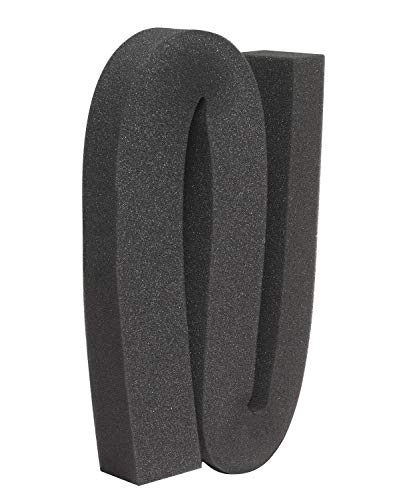
The THERM WELL Frost King weatherseal tape is an open-cell foam tape designed to seal weather-stripping around window air conditioners. It provides a resilient, compressible strip that seals out air, insects, and dust. The product is specifically noted for weather-stripping around window units, helping minimize drafts along the sides and top where gaps commonly occur. Installation is straightforward, with tape-like application that adheres to window frames and the unit edges, offering a quick, affordable layer of insulation to reduce heat exchange.
Key considerations: compatibility with standard window AC frames, ease of cut-to-fit application, and long-term durability of the foam material in varying humidity. This option is most effective as part of a broader sealing strategy, particularly when combined with side panels or insulation kits to address larger gaps around the unit.
Non-Ducted Heat Strip Kit For RV A/C

The Dometic Non-Ducted Heat Strip Kit is designed as an RV air conditioner replacement part, offering a flexible and easy-to-use solution for heating in non-ducted setups. While primarily marketed for RV applications, it is relevant to users seeking an integrated heat strip option adjacent to a non-ducted AC system. The kit emphasizes ease of use, with straightforward installation and compatibility with certain RV air conditioner models. It is manufactured with standard components suitable for 120-volt operations and can be a practical option for RVs or similar environments seeking to add heat strip functionality to existing non-ducted units.
Key considerations: confirm model compatibility with your AC unit, electrical requirements, and whether a non-ducted configuration aligns with your space heating needs. This kit is best evaluated in the context of the unit’s model compatibility and installation space, ensuring safe integration with existing wiring and controls.
3314998.000 RV Non-Ducted Heat Strip Kit Replacement

This LUKYER heat strip kit is marketed as a replacement part for select non-ducted Dometic air conditioners, specifically for Brisk Air II and Penguin II models that are non-ducted. The kit lists compatible model codes and emphasizes its fit with 120-volt electrical systems. It’s presented as a practical option for users looking to restore or add heat functionality to their existing non-ducted unit, potentially providing a reliable path for improved heating performance when paired with proper installation and electrical wiring.
Key considerations: verify compatibility with your particular model, ensure proper electrical connections, and assess whether a non-ducted heat strip aligns with your climate control goals. This kit is most effective when installed by someone familiar with RV or window air conditioner electrical configurations to ensure safe operation and optimal heat transfer.
Breeze Stop Surround Insulation Side Panels

The Breeze Stop Surround Insulation Side Panels are white, 1-inch-thick insulating foam panels, designed to cover the sides of window AC units. They fit windows up to 36 inches wide and can reduce drafts by sealing gaps around the unit’s perimeter. The panels are covered with white vinyl and are intended to be cut to size for a snug fit. While not a heat strip themselves, they complement heating and cooling efficiency by preventing external heat exchange and helping maintain interior temperature with less energy use.
Key considerations: ease of installation, compatibility with window dimensions, and whether the panels are sufficient on their own or should be paired with additional weatherstripping for maximum airtightness. They are particularly useful in climates with significant seasonal temperature swings and when the goal is to minimize energy loss around the unit edges.
Wintcomfort Insulated Panels With Aluminum Foil

The Wintcomfort Insulated Panels combine thick foam with aluminum foil backing to reflect heat and improve energy efficiency around window air conditioners. The four-layer construction includes thick foam and a white surface for a neat appearance. These panels help block heat transfer, reduce drafts, and minimize noise and vibration associated with external temperature changes. They are marketed as suitable for most 5000-12000 BTU units and come with top seal considerations to enhance the overall barrier to outside temperatures.
Key considerations: compatibility with window frame width, ease of cutting for a precise fit, and whether foil-backed panels deliver a meaningful performance boost in your climate. Pairing with side panels or weatherstrip tape can further reduce heat exchange and improve year-round comfort.
Buying Guide: Key Purchase Considerations And Comparisons
When selecting heat strips and insulating add-ons for AC units, consider the following factors to ensure a good fit and meaningful energy savings:
- Application type: Window AC, non-ducted RV, or ducted systems require different components. Ensure your choice supports your unit’s design (window, RV, or wall-mounted).
- Fit and compatibility: Check dimensions, BTU rating, and model compatibility. Measure window openings and confirm edge dimensions to avoid gaps that defeat the seal.
- Material quality: Look for durable foam with closed-cell properties or foam tapes designed for humidity and temperature cycling. Foams with vinyl coverings are typically easier to install and maintain.
- Ease of installation: Some products are simple peel-and-stick tapes, while others require cutting, sealing, and sometimes extra tapes for a complete seal. Consider whether you prefer a quick fix or a more comprehensive installation plan.
- Energy savings potential: Panels and seal systems that reduce air leakage around the unit can lower cooling and heating costs, especially in extreme climates. Combine sealing with heat strips or reflectors for best results.
- Maintenance and longevity: Foams should resist mold growth and degradation in humidity. Aluminum-backed panels can offer durability but may require careful cutting for a neat fit.
- Cost and return on investment: Weigh the purchase price against expected energy savings and comfort improvements. For RV setups, consider the compatibility with travel and seasonal usage.
- Installation guidance: Follow manufacturer instructions for safe electrical connections when adding heat strips, and consult professionals if you are uncertain about electrical work or unit compatibility.
Overall, selecting the best option involves balancing cost, ease of installation, and how well the product reduces heat exchange around the AC unit. For many homes and RVs, a combination approach—using weather seal tape along with insulated side panels—delivers the most noticeable gains in comfort and energy efficiency. Start with a simple weatherseal solution like the Frost King tape, then assess larger gaps and consider adding foam panels or foil-backed insulation as needed to achieve a tighter seal.