Best Insulation for Duct Work: Top Picks for Efficiency and Comfort
Choosing the right duct insulation can improve HVAC efficiency, reduce energy costs, and minimize condensation and noise. This guide highlights five proven products that address common ductwork insulation needs, from fiberglass duct boards to reflective foil wraps. Each option offers distinct advantages for temperature control, moisture resistance, and ease of installation. Read on to compare features and find the best fit for your system.
| Product | Brand | Key Benefit |
|---|---|---|
| JOHNS MANVILLE INTL Duct Insulation 1-1/2″ x 48″ x 25 Ft | Johns Manville | Rigid fiberglass for long runs and high temp tolerance |
| SmartSHIELD -5mm 24″ x 25ft Foam Core Reflective Insulation Roll | Insulation Marketplace | High radiant reflectivity and vapor barrier |
| Frost King CF55 Foil Backed No Itch Natural Cotton Duct Wrap | Frost King | Natural cotton wrap with foil back for gentle insulation |
| JOHNS MANVILLE Duct Insulation 1-1/2″ x 24″ x 48″ | Johns Manville | Fiberglass with foil scrim kraft jacket for flexible wraps |
| R-8 HVAC Duct Wrap Insulation Reflective 2 Sided Foam Core 4′ x 25′ | AES | Two-sided reflective foam core for strong radiant barrier |
Below are the five products organized by practical use case, followed by a comprehensive buying guide to help you choose the best option for your duct system.
JOHNS MANVILLE Duct Insulation 1-1/2″ Thick Wrap
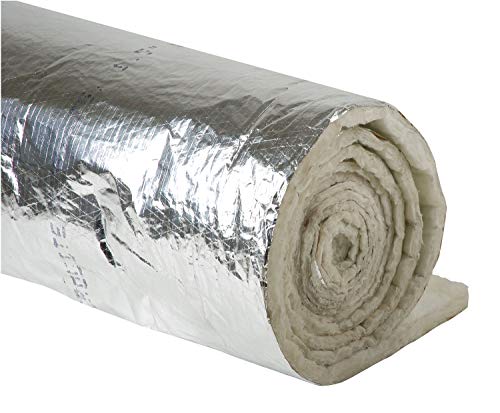
This fiberglass duct insulation features a 1-1/2 inch thickness and a 48 inch width, designed to cover long duct sections with a 25-foot length per package. It is built to meet multiple standards including ASTM C-411, EPA-related tests, and NFPA guidelines, offering a robust temperature range from -32 to 250 F. The foil scrim kraft jacket provides a durable wrap that helps resist tearing while minimizing heat transfer. Its density and R-value support energy efficiency, making it suitable for residential and light commercial ducts where heat retention or avoidance of condensation is a priority.
SmartSHIELD -5mm Reflective Duct Insulation Roll

SmartSHIELD is a 5mm foam core reflective insulation roll designed to significantly reduce radiant heat gain. It features a pure aluminum surface that acts as a radiant barrier, with R-values that can exceed 15. If installed in multiple layers, the effective R-value increases further. The product also serves as a vapor barrier, helping to prevent condensation in humid environments, and provides additional sound deadening. Its ease of installation and moisture resistance make it a strong option for ducts exposed to outdoor or unconditioned spaces.
Frost King CF55 Foil Backed No Itch Natural Cotton Duct Wrap

Frost King CF55 uses a foil-backed natural cotton wrap designed to insulate and dampen vibrations on heating and AC ducts. It is a user-friendly solution that minimizes the need for gloves, masks, or goggles during installation, making it approachable for DIY projects. The product is known for its safety profile and is commonly used where a comfortable handling experience is valued alongside reliable insulation performance.
JOHNS MANVILLE Duct Insulation 1-1/2″ x 24″ x 48″

This Johns Manville option features a 1-1/2 inch thickness with 24-inch width and 48-inch length. The jacket is a foil scrim kraft, offering durability and moisture resistance, while the insulation is fiberglass engineered for ducts. The product supports a wide temperature range, and its R-value of about 6.5 enhances energy efficiency by reducing heat transfer through ductwork. It is suited for more compact duct runs where a high-value insulation layer is desirable without bulk.
R-8 HVAC Duct Wrap Insulation Reflective Foil Core
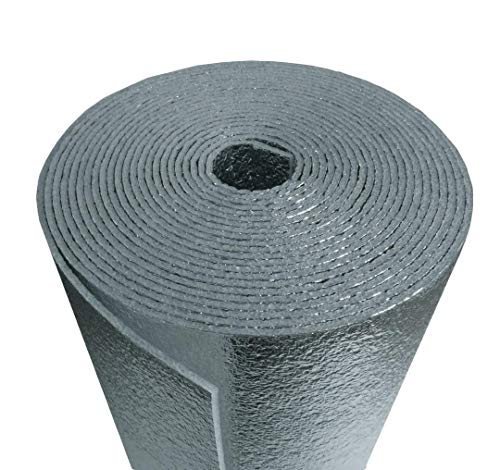
This product offers a double-sided reflective insulation solution with a foam core designed for ducts. It delivers a high radiant barrier (R-values up to 21.10 with two layers) and provides moisture resistance. The lightweight and flexible design makes it easy to cut and shape around irregular duct shapes, while the waterproof surface helps guard against humidity-related condensation. It also claims non-flammability and a non-toxic profile, suitable for residential and light commercial installations.
Buying Guide: Key Purchase Considerations
When selecting duct insulation, consider these factors to ensure the best performance and value:
- Thermal Performance: Look for R-value and whether the insulation maintains its effectiveness across temperature ranges typical for your climate and system. Reflective foils improve radiant heat control, especially in hot attics or unconditioned spaces.
- Moisture Management: In high-humidity areas, a vapor barrier or foil backing helps prevent condensation and mold growth. Foil scrim kraft jackets offer a durable moisture barrier while providing tear resistance.
- Fire Safety: Ensure materials meet local fire safety standards (UL, NFPA, and similar). Some products, like foil-backed wraps, merge flame resistance with easy installation.
- Installation Ease: Consider roll size, thickness, and flexibility. DIY projects benefit from lighter, easier-to-cut materials, while long runs may benefit from rigid boards or wrap systems that minimize seams.
- Durability and Compatibility: Match insulation type to duct material (metal, fiberglass, or flexible duct). Also check for compatibility with existing jackets or coverings to avoid compatibility issues during retrofits.
- Environmental and Health Considerations: For indoor applications, choose low-VOC products and those with safe handling characteristics to reduce exposure during installation.
- Budget and Longevity: Fiberglass wraps, foil wraps, and foam-core reflective insulations each have different lifespans and repair needs. Balance upfront costs with expected energy savings over time.
- Application Scope: Decide whether you need insulation for individual duct sections, entire runs, or specific problem areas (shafts, attics, garages). Some products perform better as wraps, others as boards or rolls.
For optimal results, consult HVAC specifications and local codes, or seek professional guidance when insulating complex duct networks or systems with unusual configurations. Proper sealing of joints and minimizing gaps are as important as the insulation material itself to achieve energy efficiency and comfort.