Best Insulation for HVAC Ducts: Top Duct Wraps for Energy Efficiency
Choosing the right insulation for HVAC ducts can reduce heat loss, manage condensation, and improve overall system efficiency. The following five products highlight common duct wrap and insulation options, including foil-backed wraps, fiberglass sleeves, and reflective foam cores. Each entry summarizes key features and suitability to help homeowners and contractors compare options for residential and light commercial applications.
Summary Of Selected Products:
| Product | Brand | Type | Key Benefit |
|---|---|---|---|
| CF55 Foil Backed Duct Wrap | Frost King | Foil Backed Duct Wrap | Reduces vibrations and cushions ducts |
| Duct Insulation 1-1/2″ x 48″ x 25 ft | JOHNS MANVILLE INTL | Fiberglass Duct Wrap | High temperature range and wide compatibility |
| SmartSHIELD 24′ x 5mm Foam Core Roll | INSULATION MARKETPLACE | Foam Core Reflective Insulation | Excellent radiant barrier and vapor protection |
| 48″ x 25 ft FRK Duct Insulation | Trade Winds (US Energy) | FRK Duct Wrap | Vapor retardant facing with glass fiber blanket |
| AD5 1/4″ Thick Duct Wrap 4×25 ft | Trade Winds (US Energy) | Double Sided Foam Core | Double sided R8 insulation with Class A fire rating |
Frost King CF55 Foil Backed Duct Wrap

The Frost King CF55 duct wrap uses a foil-backed, no-itch natural cotton material to insulate and cushion heating and AC ducts. Its design aims to reduce vibrations while providing a safe installation experience with no required gloves or goggles in typical use. Its Class A fire rating adds a level of safety for ductwork installations in residential and commercial spaces. Ideal for retrofit projects where vibration dampening and a straightforward installation are prioritized.
Duct Insulation 1-1/2 In x 48 In x 25 Ft
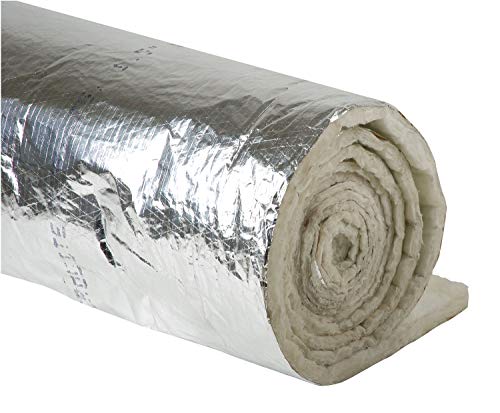
This Johns Manville fiberglass duct insulation uses a foil scrim kraft jacket to meet multiple industry standards and fire ratings. With a thickness of 1-1/2 inches and a 48-inch width, it covers substantial duct surfaces efficiently. The product emphasizes thermal performance across a wide temperature range (-32 to 250 F) and provides an R value around 4.2, making it suitable for ducts requiring robust thermal resistance in varied climates.
SmartSHIELD -5mm 24”X25ft Foam Core Roll

The SmartSHIELD roll combines a foam core with a reflective aluminum surface to deliver a strong radiant barrier, vapor control, and sound dampening. With R-values that can escalate with layered installations, this option is particularly effective in reducing radiant heat transfer and condensation on duct surfaces, contributing to improved comfort and energy efficiency in ducts exposed to sunlight or high ambient temperatures.
FRK Duct Wrap 48″ x 25 ft

Trade Winds’ FRK duct wrap features a blanket of glass fiber insulation factory-laminated to FRK vapor retarder facing. It is designed to meet standard energy and fire codes and is described as flexible and easy to install. The product helps prevent duct condensation and supports occupant thermal comfort by reducing heat exchange through ductwork in varied environments.
AD5 1/4 Inch Duct Wrap (4×25 ft)

US Energy Products offers a double-sided reflective foam core insulation with a 1/4-inch thickness and a total dimension of 4×25 feet. Classified as Class 1 / Class A fire-rated and ASTM certified, this option emphasizes high fire safety, durable construction, and strong thermal performance across duct systems that require robust insulation with low weight.
R-8 Duct Wrap Insulation, Double Sided
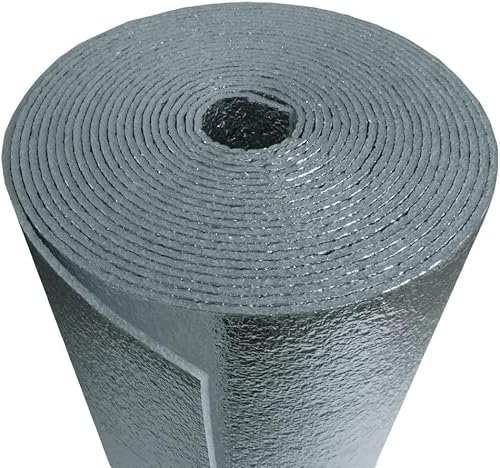
This US Energy Products option emphasizes double-sided reflective properties with a foam core to enhance thermal resistance (R8). It features a heavy-duty scrim and a 4-foot by 100-foot format, making it well-suited for longer duct runs in larger installations. The product is designed for easier handling and installation while meeting fire safety standards.
Buying Guide: Key Purchase Considerations
- Thermal Performance: Look for R-values and the overall insulation thickness. Higher R-values improve heat retention and reduce energy loss in extreme climates.
- Vapor Management: Vapor retarders or barriers help prevent condensation on ducts in humid spaces, which can reduce mold risk and improve air quality.
- Fire Rating and Certifications: Class A fire rating and compliance with standards such as ASTM, NFPA codes, and local building codes ensure safer installations.
- Moisture Resistance: Foil-faced or foil-backed materials often provide better moisture resistance, which is important in basements, crawl spaces, or cold environments.
- Installation Ease: Flexible wraps and foldable foils simplify retrofits and complex duct geometries. Consider products with easy-cutting and secure fastening options.
- Vibration and Noise Reduction: Some wraps offer cushioning properties that reduce duct vibrations and sound transmission, improving indoor comfort.
- Compatibility: Verify duct dimensions (diameter, length, and wrap width) to ensure a proper fit and effective coverage.
- Durability and Longevity: Materials should tolerate temperature extremes without degrading, maintaining performance across seasons.
- Moisture and Humidity Performance: In humid spaces, select products with robust vapor barriers to reduce condensation and mold risk.
Choosing the right duct insulation involves balancing thermal resistance, moisture management, safety, and installation practicality. For retrofit projects, flexible wraps that conform to irregular ductwork can save time and labor. For new installations, higher-density fiberglass or double-sided reflective foams may provide superior thermal performance with durable finishes. Consider the climate, duct layout, and occupancy comfort goals when selecting a product from the options above.