Best Insulation for HVAC Lines: Top Picks for Efficiency
Choosing the right insulation for HVAC lines helps reduce energy loss, prevent condensation, and extend system life. This guide reviews five top products designed to fit a range of pipes and outdoor environments, from self-seal foam sleeves to rugged copper pipe covers. Each option balances ease of installation, durability, and thermal performance to help your system run more efficiently year-round.
| Product | |||
|---|---|---|---|
| Insul-Lock Self Seal 6′ | K-FLEX | Strong insulation, precise 72″ length | Industrial, commercial, residential pipes |
| Duck Brand Foam Pipe Covers | Duck Brand | Pre-slit, self-sealing edges | Hot and cold water pipes, easy installs |
| XFasten Foam Pipe Insulation Tape | XFasten | Extreme adhesion, high flexibility | Outdoor and hard-to-reach pipe wraps |
| Nkiy Quen 3 Layers HVAC Copper Pipe Insulation Cover | Nkiy Quen | Three-layer weather protection | Outdoor copper pipe insulation |
| CrsaSwivo AC Line Insulation | CrsaSwivo | Three-layer construction, adjustable length | Outside AC lines, ducts and refrigeration |
Insul-Lock Self Seal 6′ by K-FLEX
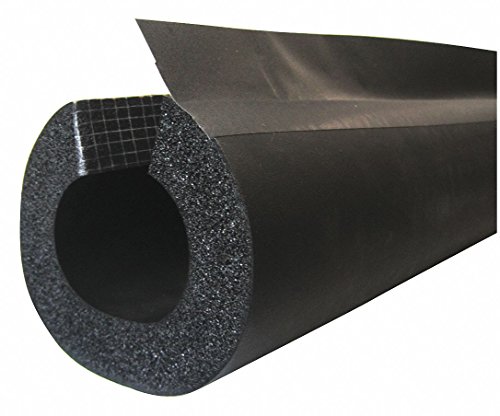
The Insul-Lock Self Seal product by K-FLEX uses a 0.875 inch width and 0.75 inch wall thickness to maintain temperatures and reduce energy loss in HVAC piping. With a 72-inch length, installers gain a near-perfect fit for standard runs, minimizing seams and cold joints. It is suitable for a range of pipe materials and environments, enabling robust protection in commercial, industrial, or residential projects. The self-sealing design speeds up installation while maintaining a tight seal against moisture ingress.
Duck Brand Foam Pipe Covers

Duck Brand foam pipe covers are pre-slit for quick installation and feature self-sealing edges to secure the wrap around curved pipes. They help prevent winter freezing and summer sweating for indoor water lines, air conditioning, and HVAC pipes. Rated for temperatures up to 212 F, these foam covers provide reliable insulation with minimal equipment and mess, making them a practical choice for DIY and professional projects alike.
XFasten Foam Pipe Insulation Tape

The XFasten insulation tape offers extreme adhesion and high tensile strength for outdoor and indoor pipe wraps. With a low thermal conductivity rating, it minimizes energy loss and helps prevent frost and condensation on HVAC lines. The tape is designed to stretch up to six times its original length without breaking, accommodating bends and irregular layouts typical of exterior installations. Its durable composition makes it a strong choice for long-term outdoor performance.
Nkiy Quen 3 Layers HVAC Copper Pipe Insulation Cover

This 3-layer outdoor pipe insulation sleeve by Nkiy Quen protects copper piping from sun exposure and freezing temperatures. The outer waterproof 600D Oxford fabric, a pearl cotton core, and an insulating aluminum foil inner layer work together to shield ducts and pipes in harsh weather. The product is UV and weather resistant and meets water and air permeability standards for HVAC pipe insulation, making it suitable for exterior runs on both residential and commercial systems.
CrsaSwivo AC Line Insulation
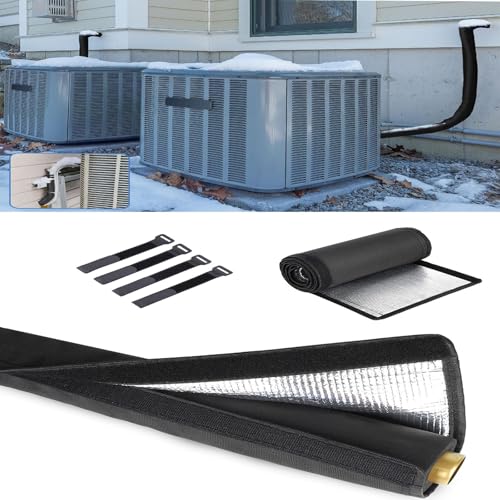
The CrsaSwivo AC Line Insulation uses a three-layer construction: Oxford cloth, pearl cotton, and a aluminum foil inner layer. This configuration reduces heat and cold loss during operation and is designed for outdoor use. The insulation comes in a large length of approximately 78.74 inches and a width of 11.81 inches, with adjustable nylon straps that fit ducts with outer diameters under 11.8 inches. It pairs well with HVAC, refrigeration, and air conditioning systems that require a robust exterior wrap.
Buying Guide: Key Purchase Considerations
When selecting insulation for HVAC lines, consider the following factors to ensure optimal performance and value:
- Thermal Resistance and Material: Look for materials with low thermal conductivity and adequate thickness to minimize energy transfer. Foam, foil-faced layers, and closed-cell constructions provide strong protection against heat gain/loss and condensation.
- Exterior Exposure: Outdoor installations demand UV resistance, waterproofing, and weather durability. Three-layer designs with outer fabrics or foams offer enhanced protection against sun, rain, and temperature swings.
- Ease of Installation: Pre-slit designs with self-sealing edges save time and reduce installation errors. For irregular pipes or long runs, consider tapes or wraps with high adhesion and flexible stretch.
- Durability and Temperature Range: Check the temperature tolerance and ratings for your climate (extreme cold or heat require sturdier insulation and protective coatings).
- Application Type: Indoor pipes may prioritize moisture resistance and ease of access, while outdoor lines require UV protection, wind resistance, and potential wind-driven moisture considerations.
- Fit and Coverage: Ensure the product length and circumference fit typical HVAC line runs. Longer wraps reduce seams, while adjustable options facilitate a tighter fit on variable duct sizes.
- Environmental and Safety Aspects: Choose materials with low off-gassing, fire resistance where applicable, and certifications that align with building codes or safety standards.
- Maintenance and Longevity: Consider whether the insulation resists mold or degradation over time, especially in damp basements or unconditioned attic spaces.
In summary, each product offers distinct advantages depending on the installation context: quick DIY applications with pre-slit foam sleeves, heavy-duty exterior wraps for outdoor pipes, or high-adhesion tapes for challenging bends. Evaluating the climate, pipe type, and installation complexity will guide the best choice for energy efficiency and reliability in your HVAC system.