Best Media for Water Softeners: Top Resin and Gravel Options for Cleaner Water
Choosing the right media for your water softener can dramatically improve efficiency, extend system life, and reduce maintenance. This guide highlights five leading media products—resin and bed media—that are well-suited for American homes and small businesses. We compare performance, durability, and ease of installation to help you select media that aligns with your water conditions and regeneration goals.
style=”display:none;”>Summary Table of Chosen Products
| Product | Brand | Media Type | Approx. Grain Capacity |
|---|---|---|---|
| Purolite C-100E Cationic Resin Replacement | DuraWater | Cation Exchange Resin | 1 Cu Ft bag |
| SUPERIOR FILTERS Premium Water Softener Resin | Superior Filters | Cation Exchange Resin | High capacity (varies by system) |
| Brio Water Softner Resin Refill | Brio | Cation Exchange Resin | 1 Cu Ft bag |
| Purolite An Ecolab Company C100E Water Softener Resin | PUROLITE | Cation Exchange Resin | 1 CF |
| IPW Industries Water Softener Gravel – Garnet Bed Media | IPW Industries Inc | Garnet Gravel Bed Media | 15 Lbs |
Purolite C-100E Cationic Resin Replacement For Water Softener

Purolite C-100E resin is designed for efficient regeneration and strong ion exchange performance in residential water softening systems. This cationic resin aims to deliver quick hardness removal with stable long-term performance while keeping extractables low, reducing potential contaminants in treated water. The media is suitable for standard water softener configurations, with a focus on reliable kinetics that support consistent regeneration cycles and long service life. Installation considerations include ensuring compatibility with existing brine tanks and resin tanks, along with regular monitoring to maintain optimal resin bed depth and flow rates.
Superior Filters Premium Water Softener Resin, 1 Cu Ft
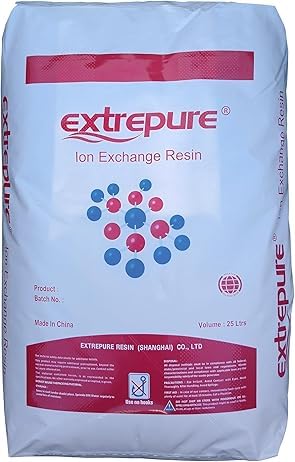
Superior Filters’ Premium Resin offers high-performance 7% cross-link structure designed for rapid ion exchange and robust durability across a wide pH range. The resin is engineered for efficient softening and high capacity, reducing the frequency of regenerations and lowering overall system maintenance. It’s compatible with most standard water softener systems and aims to minimize resin degradation over time. The product emphasizes long-term reliability and ease of installation, with guidance suggesting careful filling to avoid air pockets and ensuring an even bed for optimal flow and contact time.
Brio Water Softner Resin Refill For Water Softener Systems
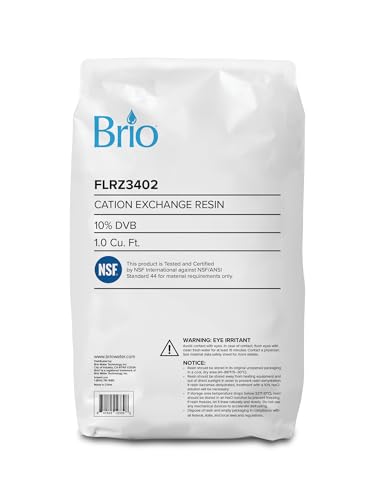
Brio’s 1 Cu Ft cation exchange resin features 10% cross-linked DVB resin designed to resist chlorine oxidation, delivering a strong grain capacity and lasting performance. The media supports superior appliance protection, smoother skin and hair due to softened water, and easier laundry outcomes. Certification and compliance notes indicate NSF/ANSI performance criteria relevant to salt or water usage, with additional FDA alignment for specific food-contact considerations. This resin is positioned for homes facing challenging hardness alongside potential chlorine exposure.
Purolite An Ecolab Company C100E Water Softener Resin

Purolite’s C100E resin from the Ecolab family emphasizes potable water softening with a focus on consistent hardness removal. The resin’s formulation is designed to provide reliable ion exchange performance in typical domestic water systems, contributing to reduced mineral buildup and more comfortable water usage. When replacing an existing resin, verify compatibility with your water chemistry and consider flushing protocols to ensure proper bed restoration and bed height alignment for optimal contact with incoming water.
IPW Industries Water Softener Gravel – Garnet Bed Media (15 Lbs)
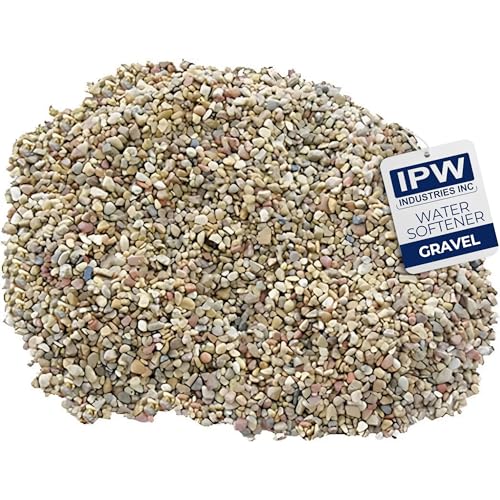
Garnet gravel serves as a robust under-bed support media in backwashing tanks and multi-media filtration setups. IPW’s filtration-grade garnet provides stable bed support and promotes even media distribution, contributing to longer filter life and more consistent water quality. While primarily used as a bed layer beneath resin or sand, garnet gravel can enhance backwash efficiency and reduce localized wear on other media. It’s suitable for various systems, including water softeners, carbon tanks, and mixed-media configurations.
Buying Guide: Key Purchase Considerations For Water Softener Media
- Media Type and Purpose: Understand whether your system needs a cation exchange resin for hardness removal or a bed media like garnet for support and filtration. Resin media targets mineral exchange; garnet supplies bed stability and backwash performance.
- Grain Capacity and Cross-Link Density: Higher cross-link density typically yields greater chemical and physical durability, longer life, and resistance to chlorine. Capacity ratings influence regeneration frequency and salt usage.
- System Compatibility: Check resin or media compatibility with your softener’s age, resin tank size, brine draw configuration, and regeneration cycle settings. Some resins require careful bed depth to maximize contact time.
- Water Chemistry and Contaminants: Assess total dissolved solids, chlorine levels, iron, and manganese. Some resins handle chlorine well, while others may require pretreatment or specialized resin formulations.
- Certifications and Standards: Look for NSF/ANSI certifications for resin and bed media to ensure compliance with health and safety guidelines. Certification can indicate material integrity and suitability for household use.
- Ease of Installation and Maintenance: Consider whether the media is easy to handle, measure, and fill. Pre-measured bags or standard 1 Cu Ft bags are common and simplify replacement.
- Cost and Longevity: While prices vary, durable media with longer service life can lower long-term operating costs by reducing regeneration frequency and maintenance needs.
- Environmental and Water Usage: Evaluate how media choice impacts salt or potassium use and rinse water, particularly in households aiming to minimize waste or environmental impact.
Choosing the right combination of resin and bed media depends on your water hardness, chlorine exposure, and system configuration. This guide presents options that balance performance, durability, and compatibility for typical American homes. Always consult your system’s manual or a water-treatment professional before replacing media to ensure proper bed depth, flow rates, and regeneration settings.