Best Pellet Stoves for RV and Outdoor Use: Efficient, Portable Heating Options
Travelers and campers increasingly rely on pellet stoves to keep RVs and outdoor shelters warm with clean, controlled heat. This guide highlights five reliable options, covering compact portability, smart controls, large hoppers, and versatile fuel choices. Each product focuses on efficiency, ease of use, and safety features to support comfortable, energy-efficient heating on the go.
| Product | Brand | Key Feature | Hopper / Burn Duration |
|---|---|---|---|
| GREEN STOVE Hori 5 Pellet Stove with Oven | GREEN STOVE | Built‑in oven module; portable tent use | 5–10 hours |
| Castle Serenity Pellet Stove | Castle Pellet Stoves | Smart controller with multiple modes | 40 lb hopper |
| Cleveland Iron Works Medium Pellet Stove | Cleveland Iron Works | WiFi smart home connectivity | Large hopper (60 lb) |
| Canyon Lodge Large Pellet Stove | Canyon Lodge | WiFi smart control; high heat coverage | 130 lb hopper |
| Cleveland Iron Works Bayfront Pellet Stove | Cleveland Iron Works | Smart WiFi; wide heating range | 66 lb hopper |
Below, five top picks are described with practical details to help you compare value, installation needs, and operating costs for RV and outdoor settings.
GREEN STOVE Hori 5 Pellet Stove With Oven

The GREEN STOVE Hori 5 is a portable pellet stove designed for outdoor use, camping tents, and hot tents. Its U-shaped interior design increases heat retention and overall stove temperature while minimizing heat loss through the chimney. The package includes the stove body, five 2.4 inch chimney sections, regulating tubes, and a spark arrestor. A full pellet load can provide roughly 5 to 10 hours of burn time, depending on flame control and airflow. The stove also features a built-in oven module for baking or slow cooking, broadening its utility beyond simple heat.
Castle Serenity Pellet Stove
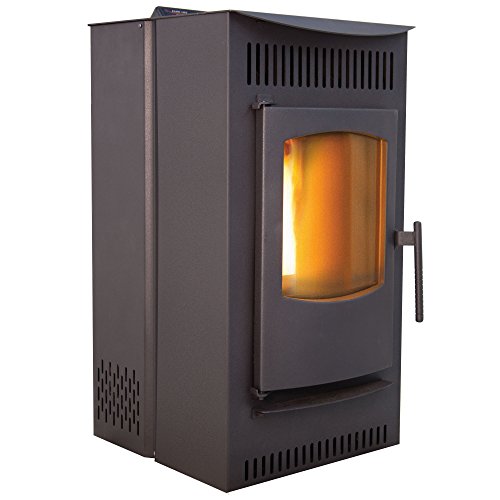
The Castle Serenity model delivers room heating for up to about 1,500 square feet with a 40 lb hopper. It emphasizes straightforward maintenance by eliminating tubes and corrugations, offering easy cleaning. Operators can choose among Manual, Thermostat, Weekly, and Eco modes to tailor heat output to schedules and energy goals. Eco mode can toggle between on and off to maintain a steady room temperature, reducing energy consumption while keeping spaces comfortable.
Cleveland Iron Works Medium Pellet Stove

This medium‑sized model supports heating spaces from 1,500 to 2,200 square feet and includes built‑in WiFi for smart home control. It qualifies for 30% EPA tax credit savings (subject to caps and exclusions). The smart connectivity allows remote monitoring and adjustments, helping optimize heat delivery and energy efficiency in RVs or small homes. A robust hopper design reduces refill frequency during extended camping or travel periods.
Canyon Lodge Large Pellet Stove

The Canyon Lodge model is designed for larger spaces, heating 2,000 to 3,000 square feet with a sizable 130 lb hopper. It includes built‑in WiFi for smart home integration, enabling remote start, scheduling, and temperature monitoring. It also qualifies for a 30% Biomass Stove Tax Credit in certain regions. This stove is suitable for larger RVs or off-grid cabins where sustained heat is essential for extended stays and colder climates.
Cleveland Iron Works Bayfront Pellet Stove
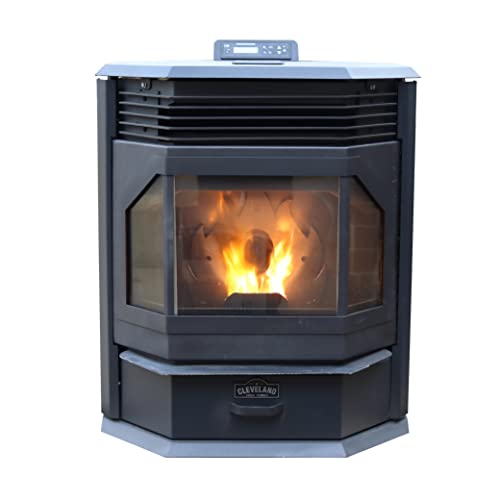
The Bayfront model offers a wide heating range and built‑in WiFi for smart home control. With a 66 lb hopper, it provides a balance between burn time and easier refueling during extended use. The Bayfront is positioned as a versatile option for medium to large RVs or modular living spaces where dependable heat and remote operation are valued terms of comfort and convenience.
Buying Guide: Key Purchase Considerations
Choosing the right pellet stove for RVs or outdoor spaces involves balancing heat output, fuel efficiency, and convenience. Consider the following perspectives:
- Heating area and footprint: For compact RVs, prioritize units rated for 1,000–2,000 sq ft or designed for portable use. For larger spaces, select models with higher heat output and bigger hoppers.
- Fuel type and burn time: Pellet stoves vary by hopper size and burn duration. Larger hoppers reduce refueling frequency but may require more space for installation.
- Smart controls and connectivity: WiFi or thermostat features help maintain consistent temperatures and optimize energy use, particularly when RV electrical systems are variable.
- Installation and venting: Check chimney or vent requirements and the included piping. Portable units should have straightforward setup with lightweight components for travel readiness.
- Tax credits and incentives: Some models qualify for energy tax credits or biomass credits. Verify eligibility in your jurisdiction and understand any caps or exclusions.
- Safety features: Look for automatic shutoff, spark arrestors, proper tilting protections, and robust construction to suit outdoor and vehicle-based environments.
- Maintenance and cleaning: Models with simple disassembly, easy cleaning modes, and fewer exposed tubes simplify upkeep during camping trips.
In sum, the five highlighted options provide a spectrum of portability, heat capacity, and smart features suitable for RV enthusiasts and outdoor living. When choosing, align the stove’s heat output with your living space, consider refueling frequency based on the hopper size, and weigh the convenience of modern controls against installation complexity.