Best Rooftop ACs for Van Living: Top 5 RV Roof Units for Off-Grid Comfort
When selecting a rooftop air conditioner for a van, RV, or camper, the goal is reliable cooling, quiet operation, and compatibility with off-grid power. The following five units are among the most relevant for van-life setups, offering 12V operation, rooftop installation, and options with or without built-in heat. Below is a quick summary to help compare capabilities at a glance.
| Product | BTU | Power | Notes |
|---|---|---|---|
| Hiberry Rooftop AC | 10000 | 12V DC | Heat function; ultra-quiet operation |
| OutEquip 12V 10000 BTU (with heater) | 10000 | 12V DC | Includes heater for mild weather |
| OutEquip Pro 12V 10000 BTU | 10000 | 12V DC | Off-grid friendly; long runtime with batteries |
| Aspligo 8000 BTU Rooftop DC AC | 8000 | DC | Remote control; compact fit |
| Treeligo 7900 BTU Rooftop | 7900 | 12V DC | Easy install; heating & cooling |
The following sections detail each unit’s features, installation considerations, and how they fit different van-life needs. All product information is drawn from listed features and is presented objectively to aid a factual comparison for practical buying decisions.
Rooftop Air Conditioner With Heater — Hiberry 10000 BTU

This 12V rooftop AC delivers 10000 BTU of cooling and includes a heating function for shoulder seasons. It emphasizes energy efficiency to reduce power draw and is designed for quiet operation, suitable for night-use in a camper or van. The unit is built with weather-resistant ABS construction and UV-stabilized materials, supporting durable outdoor performance. It is intended for installation on standard van roofs and integrates with a 12V DC power source, making it a practical option for solar-assisted or battery-powered setups.
Rooftop A/C With Heater — OutEquip 10000 BTU (heater included)

This 12V 10000 BTU unit is designed for RVs, trucks, vans, campers, and similar small spaces. It cools quickly—reportedly within about 15 minutes—providing consistent comfort on hot days. A notable feature is the 4500 BTU PTC heater for mild-winter warmth, though it is not intended as a primary heat source in extreme cold or larger areas. The housing uses UV-stabilized ABS and a zinc-coated condenser for weather resistance, supporting long-term outdoor use on a van roof.
OutEquipPro 12V 10000 BTU — Battery-Powered Off-Grid Unit
The OutEquipPro model emphasizes off-grid capability, running on a vehicle’s 12V battery. It claims up to 8 hours of cooling with a 12V 480Ah battery and 10 hours with a 12V 600Ah battery when parked, making it a strong option for solar-powered or battery-equipped vans. It shares a durable build with UV-stabilized ABS materials and a zinc-coated condenser, designed to withstand harsh outdoor conditions while delivering steady cooling in compact van spaces.
Aspligo 8000 BTU Rooftop DC AC

Aspligo’s 8000 BTU rooftop unit runs on 12V DC and is tailored for solar-enabled or battery-backed installations. Key specifications include a cooling capacity of about 2300 W and a heating output of 1000 W, with a power draw in the 30-62A range. The roof opening requirements and a remote control simplify installation and operation from the driver’s seat. Its compact dimensions and light weight support installation on smaller van roof footprints while delivering dependable cooling in hot conditions.
Treeligo 7900 BTU Rooftop DC A/C
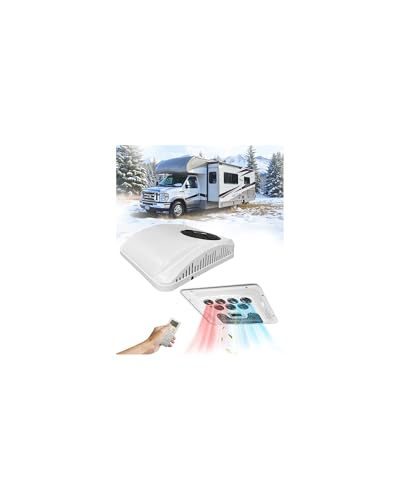
Treeligo offers a 7900 BTU rooftop AC with heating and fast cooling designed for campers, RVs, and travel trailers. It runs on 12V DC and emphasizes an easy installation via a skylight-mounted approach. The unit supports a standard roof fit and provides both cooling and heating to extend usability across seasons. It is positioned as an energy-conscious option for off-grid travel, relying on the vehicle’s battery and potential solar support to maintain cabin comfort without frequent generator use.
Buying Guide: How to Choose The Right Rooftop AC For Your Van
Key considerations help ensure you pick a unit that matches your travel style and power setup. Start with BTU requirements based on van size and insulation level. Overestimating BTU wastes power; underestimating leaves the cabin uncomfortable in heat waves. Consider 12V DC operation for off-grid rigs versus 110V options if you have a reliable shore power source or generator.
Power needs and battery capacity matter: a higher BTU unit typically draws more current. Those designed for off-grid use should specify battery runtime and recommended battery sizes. If you rely on solar, ensure your system can sustain the AC’s average draw, especially during peak sun hours. For mixed climates, units with heat pump capability provide heating in shoulder seasons, but confirm performance at your typical outside temperatures.
Installation footprint and roof opening: measure your van roof and confirm the roof-sized requirements stated by the manufacturer. Some units require a larger opening or have limited compatibility with certain roof materials. Weight matters for fuel efficiency and roof structural load; verify if your van’s roof can support the unit’s weight plus mounting hardware.
Durability and climate resilience: weatherproof ABS housings, UV resistance, and corrosion protection extend the life of rooftop units exposed to sun, rain, and road debris. Look for gasket quality and condenser coatings, which influence performance longevity in demanding environments.
Noise and comfort: decibel levels influence how pleasant a unit is during sleep. Some models emphasize ultra-quiet operation as a core feature, which can be critical for night use in campers and vans. Remote controls and easy access to thermostat adjustments add convenience for drivers and passengers alike.
Maintenance and warranty: review serviceability, common replacement parts, and warranty coverage. A longer warranty or readily available replacement components reduces total ownership cost and downtime if repairs are needed on the road.
These considerations help you balance off-grid capability, cooling capacity, and installation practicality. When evaluating options, compare not only the BTU and price but also how well a unit fits your van’s roof, electrical system, and typical travel climate.