Best Smallest RV AC Units for Compact Comfort on the Road
Traveling in RVs, campers, or vans requires climate control that fits limited space without consuming too much power. The smallest RV air conditioner options blend portability, efficiency, and easy installation with reliable cooling. This guide reviews five compact models designed to keep you comfortable in tight quarters, from sunny days at the campground to chilly nights on the road. Each unit is evaluated on cooling capacity, energy efficiency, installation ease, and noise levels to help you choose the right fit for your rig.
Summary of chosen products:
| Product | Approx. BTU | Best For | ||
|---|---|---|---|---|
| Midea 5,000 BTU EasyCool Window AC | 5,000 BTU | Small rooms or tight RV spaces | Window fit | Energy efficient; compact |
| RV Air Conditioner, 12V 10,000 BTU Rooftop (outequip) | 10,000 BTU | RVs needing roof install | Rooftop mount | Includes heater option |
| Portable AC 3,400 BTU (WISHILO) | 3,400 BTU | Very small spaces or tents | Portable | Low power, compact |
| Dreo 12,000 BTU ASHRAE (8000 DOE) | 12,000 BTU | Medium rooms in RVs | Portable or window | Smart controls, quiet mode |
| Treeligo 7,900 BTU RV A/C | 7,900 BTU | Non-ducted roof installs | Rooftop | Heating + cooling; low power |
Midea 5,000 BTU EasyCool Small Window Air Conditioner
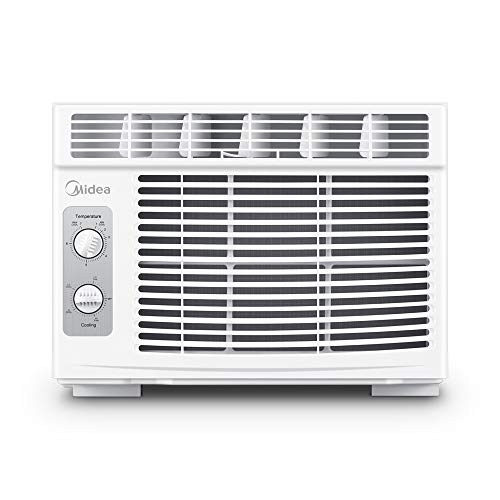
The Midea 5,000 BTU EasyCool unit is designed for smaller RV spaces, delivering cooling for up to about 150 square feet. It offers seven temperature settings, two cooling and two fan-only speeds, and two-way air direction, providing flexible comfort for compact interiors. Its CEER rating of 11.0 helps manage energy costs, a consideration for RVs where power efficiency matters. The unit features mechanical controls and a removable, reusable air filter for easy maintenance, paired with a compact footprint ideal for tight installations.
Key considerations:
- Ideal room size: up to 150 sq ft, common for bedroom compartments or small living areas in many RVs.
- Energy efficiency: CEER 11.0 helps reduce power draw on generators or converters.
- Noise level: quieter than a typical refrigerator, improving comfort during rest or work.
RV Air Conditioner, 12V 10,000 BTU Rooftop (outequip)

The outequip rooftop unit provides 10,000 BTU of cooling power, suitable for mid-sized RVs needing more robust climate control. A 4,500 BTU PTC heater is included for mild-cold conditions, expanding year-round comfort in varying climates. The system is built with UV-stabilized ABS materials, EPDM foam gasket, and a zinc-coated condenser to withstand outdoor exposure and rugged travel. This rooftop design minimizes interior footprint while delivering solid cooling performance for RV interiors.
Key considerations:
- Power needs: 12V operation is friendly for battery systems, though higher BTU units may demand more power when actively cooling.
- Heating support: The integrated heater provides a partial all-season solution but should not replace a primary heat source in very cold conditions.
- Durability: Weather-resistant components help this unit endure travel conditions.
Portable Air Conditioner, 3,400 BTU (WISHILO)

The WISHILO portable unit delivers 3,400 BTU cooling in a compact form ideal for two-person tents, small RV rooms, or tight camp setups. It boasts a fast cooling start—roughly three minutes—and includes a built-in Panasonic compressor. It covers about 64–86 sq ft and can reach a quick 18°F (10°C) drop in Turbo Mode. A long list of features emphasize portability, low power usage, and remote operation, with extended reach via a 10-ft airflow path. Its compact dimensions and light weight support easy transport and temporary setups.
Key considerations:
- Space suitability: Best for tiny cabins, rear lounges, or sleeping pods within an RV.
- Ventilation needs: Requires proper ventilation or window access for efficient operation.
- Support and service: U.S.-based support and parts storage aid maintenance and fixes on the road.
Dreo Portable Air Conditioners, 12,000 BTU ASHRAE (8000 DOE)

The Dreo 12,000 BTU ASHRAE (8000 BTU DOE) portable AC unit provides strong cooling for RV spaces that are larger than a bedroom but still within a compact footprint. It features a quiet mode and smart controls via app, voice, or remote, with a drainage-free system that minimizes maintenance in most climates. The unit aims to balance strong cooling with low noise, making it suitable for bedrooms or living areas within a travel trailer or compact motorhome. The included dehumidifier and fan modes broaden its utility beyond cooling alone.
Key considerations:
- Control options: App, voice, and remote provide flexible operation from different seating areas inside the RV.
- Drainage: While marketed as drainage-free, occasional condensate management might still be needed in high humidity.
- Noise: Designed to operate quietly, supporting restful sleep and quiet times.
Treeligo 12V RV Air Conditioner Ultra-Quiet
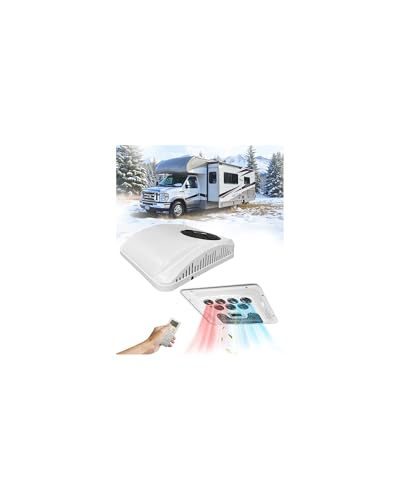
Treeligo offers a 7,900 BTU non-ducted rooftop unit that fits standard RV skylights and targets energy-efficient cooling with a heating function for versatility. It is designed for easy installation on various roof sizes and is suited for campers, travel trailers, and RVs that require a low-profile roof unit. The setup supports year-round use with a focus on quiet operation and reliable performance in moving, camping, and parking scenarios.
Key considerations:
- Rooftop fit: Minimum and maximum roof dimensions determine compatibility with specific RV roofs.
- Power compatibility: 12V DC operation can leverage vehicle batteries, but users should plan for power draw during peak cooling.
- All-season use: Heating capability adds flexibility for varied climates while stationary or parked.
Buying Guide: Key Purchase Considerations For Small RV A/C Units
- Space and mounting options: Window, rooftop, and portable designs each have distinct advantages. Window units fit inside window openings without roof work, rooftop units free interior space but require roof access and sealing, while portable units are easiest to relocate but rely on ventilation and exhaust placement.
- BTU vs. space: A higher BTU unit cools faster but may consume more power. For small RVs, 5,000–10,000 BTU units are common; 12,000 BTU portable models suit larger cabins but may need more power and space for venting.
- Energy efficiency: Look for CEER or ENERGY STAR ratings where available. In RV settings, efficiency translates to longer operation between generator runs or battery recharges.
- Power compatibility: Check your RV’s electrical system, battery bank, and generator capacity. Some units are 12V powered, while others rely on 120V AC with converters or inverters.
- Noise levels: Quiet operation improves comfort in small living spaces. Check decibel ratings or user reviews for real-world performance.
- Ventilation and exhaust: Portable and some window units require proper exhaust routing. Rooftop units must seal properly to avoid leaks and improve efficiency.
- Maintenance: Removable/reusable filters reduce ongoing costs. Consider brands with readily available parts and service centers in the U.S. for road repair support.
- Durability and climate resistance: Outdoor-facing components (for rooftop units) should tolerate heat, humidity, and vibration typical of mobile use.
Across these five options, buyers should balance space constraints, climate needs, and power availability. For very small interiors or portable setups, compact window or portable units are practical. For mid-sized RVs or more permanent installations, rooftop units deliver robust cooling with the caveat of more involved installation. Review installation requirements, warranty terms, and maintenance support before purchasing to ensure the unit matches your RV’s roof configuration and electrical system.