Best Smart Thermostat for Heat Pumps: Energy Savings and Easy Home Control
Choosing a smart thermostat that works well with a heat pump can cut energy use, simplify daily routines, and support comfort across rooms. This guide highlights five top options, focusing on devices that integrate with popular ecosystems (Alexa, Google Assistant, Apple HomeKit) and offer features like scheduling, remote control, and energy reporting. Each product below includes a quick image reference and key capabilities to help you compare at a glance. A concise Buying Guide at the end summarizes important considerations for selecting the right fit for your home.
| Product | Brand | Key Benefit | Compatibility |
|---|---|---|---|
| Amazon Smart Thermostat | Amazon | Energy-saving automation with presence detection | Alexa, Ring, Echo devices |
| Sensi Smart Thermostat | Emerson | Privacy protector with easy DIY install | Works with Alexa |
| ecobee Smart Thermostat Essential | ecobee | Energy savings with wide assistant compatibility | Alexa, Google Assistant, Siri |
| meross Smart Thermostat | meross | Matter compatibility and broad voice control | Alexa, Apple Home, Google |
| Honeywell Home Smart Thermostat | Honeywell Home | Flexible scheduling and HomeKit compatibility | Alexa, Google Assistant, Apple HomeKit |
Note: These devices are designed to work with a range of heating and cooling systems, including many heat pump setups. Always check your HVAC compatibility and confirm whether a C-wire is required for optimal operation in your home before purchasing.
Amazon Smart Thermostat

The Amazon Smart Thermostat offers a straightforward upgrade from traditional thermostats, with energy-saving automation and presence-based adjustments. It supports creating comfort zones via Echo devices or an Amazon Smart Air Quality Monitor to optimize heating and cooling. After purchase, rebates may be available from local energy providers, potentially reducing overall costs over time. This model emphasizes ease of use and quick installation, appealing to users who want a simple, integrated smart home experience.
Sensi Smart Thermostat
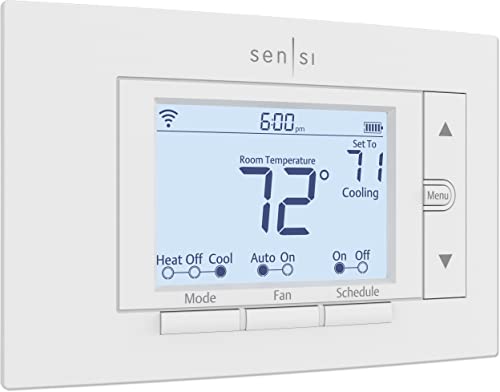
Designed for privacy and easy setup, the Sensi Smart Thermostat is built for quick DIY installation with a built-in level and step-by-step app instructions. It typically doesn’t require a C-wire in many homes, though some configurations do. Energy-saving features, remote access, and usage reports help homeowners monitor consumption and adjust schedules to reduce HVAC costs, aligning with energy-conscious heat-pump operations.
ecobee Smart Thermostat Essential

The ecobee Essential emphasizes substantial annual savings on heating and cooling costs, with optimized scheduling to maintain comfort while away. It supports multiple voice assistants (Siri, Alexa, Google), and promises free software upgrades to keep the device current. The 85% compatibility claim is aimed at larger HVAC system coverage, and the color touchscreen provides intuitive control for both quick adjustments and long-term energy planning.
meross Smart Thermostat
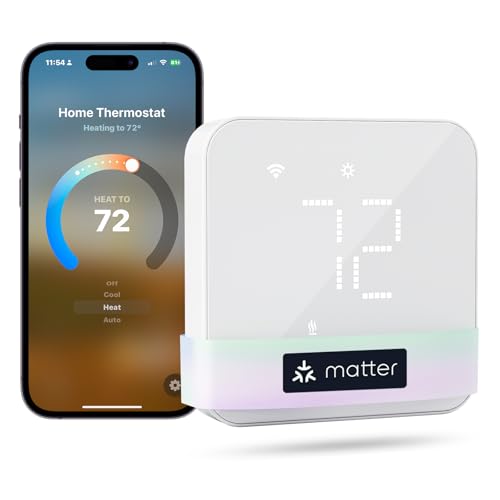
Meross emphasizes broad compatibility with 95% of HVAC systems, including heat pumps, and clearly notes C-wire requirements for proper operation. It supports 2.4GHz Wi-Fi and integrates with major ecosystems (Alexa, Apple Home, Google). The device is positioned for users who want Matter connectivity and robust scheduling across 24/7 control, with user support available for installation questions and compatibility checks prior to purchase.
Honeywell Home Smart Thermostat

Honeywell Home’s model supports a range of smart integrations and offers flexible programming options, including 5-1-1, 5-2, and 7-day schedules. It emphasizes easy control via WiFi and compatibility with major assistants, plus a C-wire consideration and potential need for a power adapter in some installations. This thermostat targets homes that want customizable schedules and broad platform support for heat-pump enabled heating and cooling.
Sensi Lite Smart Thermostat

The Sensi Lite model focuses on essential energy savings with smart features like geofencing and remote access, while keeping setup approachable through a built-in level and straightforward steps. While it supports many systems and claims compatibility with C-wire in most configurations, heat-pump-specific requirements may vary. ENERGY STAR certification reinforces a focus on long-term efficiency gains.
New Honeywell Home Smart Thermostat X2S

This Honeywell Home variant emphasizes compatibility with conventional and heat pump systems, offering Matter certification and compatibility with major assistants. It highlights C-wire considerations and a range of scheduling options to suit different household routines. It is positioned for users who want reliable performance with flexible, extended programming for energy management.
ecobee Smart Thermostat Enhanced
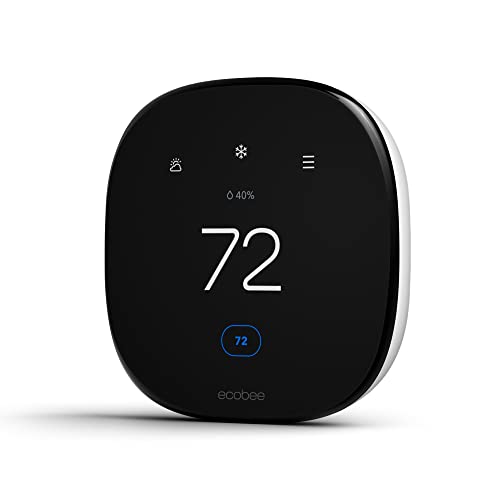
The Ecobee Enhanced model expands on the ESSENTIAL line with advanced sensing and home occupancy adjustments. It integrates with Siri, Alexa, and Google Assistant and is Energy Star certified. The device emphasizes automating comfort while away and arrival, and adjusting for humidity to keep a consistent feel in the home. Software updates ensure ongoing functionality and feature improvements.
Buying Guide: Key Purchase Considerations
- HVAC compatibility: Confirm heat-pump support, the need for C-wire, and component compatibility (furnace, air handler, zone control).
- Platform and voice assistants: Choose a thermostat that works with your preferred ecosystem—Amazon Alexa, Google Assistant, or Apple HomeKit—and supports Matter if you want broad cross-platform control.
- Energy savings features: Look for programmable schedules, geofencing, occupancy-based adjustments, and energy reports to maximize efficiency and savings over time.
- Installation and privacy: Consider how easy the device is to install (DIY-friendly versus professional) and review data-privacy policies and data-sharing practices.
- Display and usability: A clear touchscreen, responsive app, and intuitive controls improve daily use and make it easier to maintain optimized temperatures.
- Future-proofing: Check for ongoing software updates, compatibility with new smart home standards, and ability to integrate with other smart devices (air quality monitors, smart vents, etc.).
- Rebates and incentives: Some manufacturers or utility providers offer rebates or savings programs; verify eligibility in your area.
When evaluating options, weigh the balance between ease of installation, the breadth of ecosystem support, and the specific energy-saving features that match your home’s usage patterns. For heat-pump systems, consider models that optimize cooling and heating transitions, maintain comfort during occupancy changes, and provide reliable remote control for energy management.