Best Tankless Water Heaters for Mobile Homes: Efficient on-Demand Hot Water Options
Mobile homes require compact, energy-efficient, and reliable hot water solutions. Tankless electric water heaters provide instant on-demand hot water without bulky tanks, helping conserve space and reduce energy use. This guide highlights five top options that blend performance, safety, and ease of installation for mobile homes with varying electrical setups. Each model is evaluated for flow, efficiency, and compatibility with common mobile home electrical systems.
style=”display:none;”>SummaryTable: This section presents a quick comparison of the featured products. (Table visible within the article body for accessibility and scanning.)
| Product | Brand | Key Flow | Best Use | Notes |
|---|---|---|---|---|
| Rheem 18kW 240V | Rheem | Up to 4.4 GPM | Shower + sink in a single bathroom | Self-modulating; adjustable 1-degree accuracy |
| Orbek 14kW 240V | Orbek | Up to 3.38 GPM | Two to three fixtures at once | LED display; requires 240V/60A circuit |
| EcoSmart ECO 11 | EcoSmart | Up to 1 GPM (typical point-of-use) | Compact point-of-use solution | Very small footprint; 90% smaller than tank heaters |
| Orbek 18kW 240V | Orbek | Up to 4.17 GPM | Two to three fixtures with stable temp | High-demand model; dual-pole breakers required |
| WINTEMP 27kW | WINTEMP | Up to 6.3 GPM | Whole-house hot water | WiFi control; requires ample electrical service |
Rheem 18kW Tankless Electric Water Heater
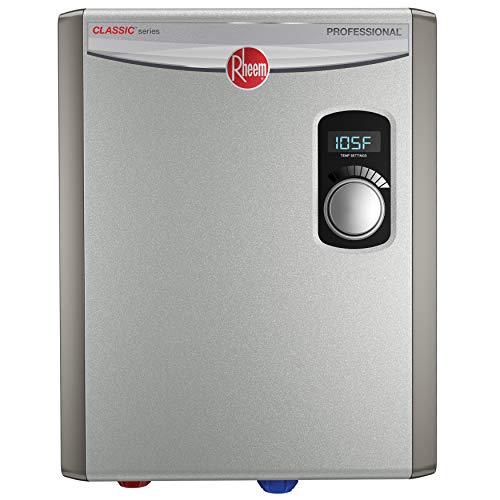
The Rheem 18kW 240V model uses external digital thermostatic control with an LED display, providing precise temperature management to within one degree. Its self-modulating technology adjusts power to match hot water demand, delivering up to 4.4 GPM. Its copper immersion heating elements ensure durability, with field serviceability for easier maintenance. This unit is well-suited for apartments or mobile homes where space is at a premium and a reliable, adjustable hot water supply is needed. Installation considerations include ensuring sufficient electrical service (3 x 40A is common) and proper venting not required for electric models.
Orbek 14kW 240V Tankless Water Heater

Orbek’s 14kW electric tankless model is designed for 2–3 points of use, offering up to 3.38 GPM with rapid on-demand hot water. The LED digital display helps monitor temperature, while installation notes emphasize a 240V/60A two-pole breaker, 6 AWG wiring, and 1/2″ NPT water connections. This unit suits compact mobile homes needing reliable hot water for showers and sinks, with improved efficiency via water-electricity separation to reduce scale and corrosion. It’s a solid match where electrical service can handle a mid-range power draw.
EcoSmart ECO 11 Electric Tankless Heater

The EcoSmart ECO 11 is a compact 13 kW, 240V model featuring patented self-modulating technology. It delivers endless hot water with a consistent temperature, maintaining accuracy within one degree. Its footprint is exceptionally small—about 11.5 x 8 x 3.75 inches—making it ideal for tight spaces in mobile homes. It draws about 54 A and is marketed for energy efficiency and space-saving appeal. It’s best suited for point-of-use applications or smaller homes with a modest hot water demand profile.
Orbek 18kW Tankless Water Heater
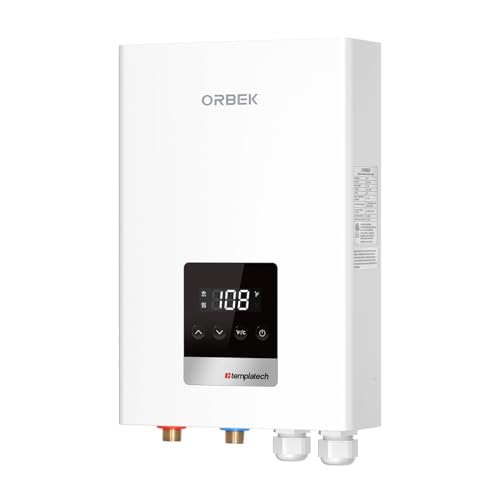
The Orbek 18kW unit provides up to 4.17 GPM with a focus on stable temperature for two to three fixtures concurrently. It requires two 240V/40A breakers and 3/4″ NPT water connections. This model is designed for higher-demand scenarios in mobile homes where simultaneous use (shower, sink, and appliance) is common. Its efficiency claims mirror other electric tankless systems by reducing energy use when hot water isn’t needed and quickly delivering hot water on demand.
WINTEMP 27kW Tankless Water Heater

The WINTEMP 27kW model targets whole-house performance with up to 6.3 GPM, suitable for larger mobile homes or households with multiple water draws. It requires three 40A double-pole breakers and 8 AWG wires, plus 3/4″ NPT water connections. The unit features an LED temperature display, WiFi control, and compatibility with Alexa and Google Home for remote monitoring. It’s a robust option for homes needing steady, higher-volume hot water, but it demands a greater electrical service capacity and careful installation planning.
Buying Guide: Key Considerations For Mobile Homes
- Electrical service capacity: Most tankless electric heaters require dedicated circuit breakers. Common configurations include 2 x 40A for smaller units and up to 3 x 40A for higher-output models. Confirm your mobile home’s electrical panel can safely accommodate the load and plan for any needed panel upgrades or subpanels.
- Flow rate needs: Determine peak simultaneous hot water usage (shower + faucets, etc.). For small units, expect 1–2 fixtures; larger homes may benefit from higher GPM models, especially if whole-house hot water is required.
- Space and ventilation: Electric tankless models require minimal space, but ensure a dry, accessible installation area with proper clearance and water connections. No venting is needed for electric units, simplifying installation in mobile homes.
- Temperature control and stability: Look for models with precise thermostats, digital displays, and self-modulating technology. Stable temperature reduces scald risk and improves comfort during showers and chores.
- Maintenance and durability: Copper heating elements and field-serviceable parts can simplify repairs. Consider models with clear service guidelines and readily available replacement components.
- Energy efficiency and cost impact: While initial installation costs can be higher, tankless heaters typically save energy by heating water only on demand. Compare efficiency features and estimated electricity use to gauge long-term savings for a mobile-home setup.
- Compatibility with future upgrades: If you anticipate electrical upgrades or expanded living space, choose a model with a higher maximum GPM and flexible installation options to avoid rework later.
- Water quality considerations: Hard water can affect scale buildup. Some models describe water-electricity separation to reduce scale; consider a water softener or regular maintenance if mineral content is high.