Best Thermostats for Air Conditioners to Use This Season
The right thermostat can optimize comfort and energy use for homes with central air conditioning. Below is a concise guide featuring five thermostats that work well with conventional cooling systems and single-stage heating setups. Each option is evaluated for install ease, compatibility, and user features, helping you pick a model that aligns with your setup and energy goals.
| Product | Brand | Key Benefit |
|---|---|---|
| Suuwer Non-Programmable Thermostat | Suuwer | Simple, reliable control for single-stage systems |
| Nest Learning Thermostat (3rd Gen) | Google Nest | Auto-schedule learning and remote control |
| Google Nest Thermostat | Wi‑Fi connected, energy automation without a C-wire | |
| Aowel Non Programmable Thermostat | Aowel | Budget-friendly single-stage compatibility |
| Heagstat Non-Programmable Thermostat | Heagstat | Clear interface with straightforward installation notes |
All five models are suitable for homes with conventional single-stage heating and cooling. Read each product section for installation notes, compatibility cautions, and standout features that affect daily use and energy savings.
Suuwer Non-Programmable Thermostat For 1 Heat / 1 Cool

The Suuwer thermostat is designed for conventional single-stage systems, handling up to 1 heat and 1 cool. It is positioned as a simple, no-frills control option suitable for gas, oil, or electric furnaces paired with standard AC. Installation and wiring are emphasized in the product notes, with guidance on checking existing wiring to ensure compatibility (2–5 wires is typical). It does not support multistage systems or heat pumps. This model suits homeowners seeking a low-cost, straightforward replacement without smart features.
Key considerations: verify base compatibility, avoid multistage or heat-pump setups, and follow the included wiring instructions precisely to prevent mismatches. The emphasis on basic functionality makes this a solid choice for uncomplicated cooling and heating configurations where a single-stage thermostat is all that’s needed.
Nest Learning Thermostat, 3rd Generation
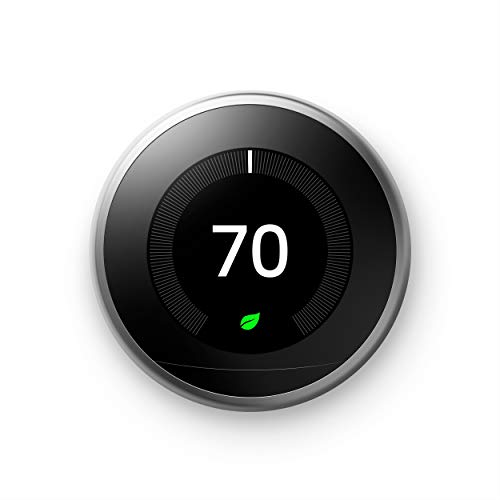
The Nest Learning Thermostat is a feature-rich option that learns your preferred temperatures over time and adjusts automatically. It supports Home/Away Assist to prevent heating or cooling an empty home. The device offers remote control via the Nest app and is marketed as compatible with various smart-home ecosystems, including Alexa. While it is more advanced than a basic non-programmable unit, it remains compatible with many conventional systems, provided there’s proper wiring. It’s especially appealing for users seeking convenience and energy analytics over manual adjustments.
Key considerations: assess compatibility with your HVAC setup using the online checker, and plan for the learning curve as the thermostat builds its schedule. The Nest Thermostat ecosystem also allows easy integration with mobile control and voice assistants, which can contribute to long-term energy savings.
Google Nest Thermostat – Smart Thermostat

The Google Nest Thermostat focuses on energy efficiency with Wi-Fi connectivity and compatibility for most homes that lack a dedicated C-wire. It is designed to work in various configurations, including cooling-only or heat pump systems, but some setups may require a C-wire or an alternative power accessory. The product notes highlight compatibility checks and the ability to program energy-efficient schedules through the Google Home app. This model is ideal for users seeking a balance of smart features and straightforward control without a higher-end learning model.
Key considerations: check system compatibility, determine if a C-wire is required, and evaluate whether you prefer direct scheduling through the app or a learning approach. The Nest Thermostat line often emphasizes energy savings and remote management as core benefits.
Aowel Non Programmable Thermostat For 1 Heat / 1 Cool

Aowel’s non-programmable model is designed for single-stage heating and cooling, closely matching the needs of traditional HVAC setups. The product notes emphasize compatibility with 24V conventional single-stage systems and caution against multistage or heat-pump configurations. Like other basic thermostats, it focuses on straightforward operation and reliable control rather than advanced smart features. It’s a practical pick for users who want a simple retrofit without extra electronics or connectivity.
Key considerations: confirm single-stage compatibility, ensure wiring remains within the supported 2–5 wire range, and follow the installation notes to prevent miswiring. This unit can be a dependable, budget-conscious option for conventional homes that do not require Wi-Fi or scheduling features.
Heagstat Non-Programmable Thermostat For Conventional Systems

The Heagstat unit is described for conventional single-stage heating and cooling, supporting up to 1 heat and 1 cool. It includes installation guidance and cautions about compatibility with non-specified multistage or heat-pump configurations. The product notes emphasize verifying base wiring (2–5 wires) and avoiding installations with higher wire counts or incompatible systems. The thermostat aims to provide a simple, reliable interface for traditional HVAC setups.
Key considerations: carefully review wiring instructions, confirm that your system is not a multistage or heat-pump configuration, and ensure the base is compatible with the existing wiring. This model fits users who want a dependable, no-frills control without smart features.
Buying Guide: Key Purchase Considerations
- Compatibility with your HVAC system: Most single-stage thermostats work with conventional furnaces and air conditioners, but multistage systems and heat pumps require different configurations. Always verify compatibility before purchase and consult the product notes for limitations.
- Wiring requirements: Many basic models rely on 2–5 wires. If your current setup uses more wires or a specialized wiring scheme, you may need a different model or professional installation.
- Smart features vs. basic control: Non-programmable units offer reliable temperature control without Wi-Fi. Smart thermostats provide remote access, energy reports, and learning capabilities but may require a C-wire or compatible power accessories.
- Energy savings potential: Some smart thermostats promote energy efficiency through scheduling, occupancy sensing, or energy usage analytics. If energy savings are a priority, consider models with Eco/Savings modes and app-based controls.
- Installation and compatibility checks: Use online compatibility tools when available, and follow installation instructions carefully to avoid wiring mistakes or base compatibility issues.
- Voice control and smart home ecosystems: If you use Alexa, Google Assistant, or other platforms, choose a model with compatible integration to streamline daily routines.
- User interface and readability: A clear display and intuitive controls reduce the time required to adjust temperatures, especially for households with multiple occupants.
- Future upgrade considerations: If you anticipate adding smart devices later, starting with a thermostat that supports easy upgrades or has good compatibility with future systems can be advantageous.