Best Thermostats for Baseboard Heaters: Top High-Voltage Options
Choosing a thermostat for baseboard heating requires attention to voltage compatibility, programming features, and ease of installation. The selections below focus on line-voltage and high-voltage models that control electric baseboards, convectors, and similar heaters. Each option is evaluated for setup simplicity, reliability, and smart capabilities where applicable.
| Product | Brand | Type | Highlights |
|---|---|---|---|
| Honeywell Home CT410B Manual 4 Wire | Honeywell Home | Manual, 120-240V | Non-programmable, simple bimetal sensor, 4-wire compatibility |
| meross Smart Thermostat for Electric Baseboard | meross | Wi-Fi Programmable, 120-240V | Smart home integrations, 4-wire requirement, voice control |
| Stelpro Concerto Programmable Floor Heater | Stelpro | Programmable, 120/208/240V | Multiple schedules, floor sensor included, Class A GFCI |
| Cadet F Series Double Pole | Cadet | Double Pole, 120/208/240V | End-mount installation, target compatibility with Cadet baseboards |
| Mysa Smart Thermostat LITE | Mysa | Wi-Fi Programmable, 120-240V | App control, HomeKit/Alexa/Google compatibility, no subscription |
Honeywell Home CT410B Manual 4 Wire Baseboard Thermostat
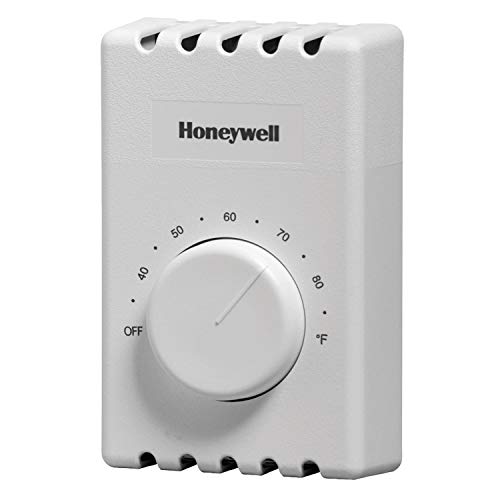
The Honeywell CT410B is a non-programmable, line-voltage thermostat designed for 120-240 volts. It works with electric baseboards, convectors, and non-inductive fan-forced heaters. A simple bimetal temperature sensor provides straightforward operation without electronics or Wi-Fi dependencies. This model is ideal for users who want a reliable, easy-to-use control with minimal setup. The 4-wire configuration supports both line and load connections, and its robust mechanical design helps maintain consistent temperature without digital interference. While it lacks smart features, its durability and predictable performance make it a solid choice for traditional baseboard heating systems. Installation should follow standard wiring practices for line-voltage thermostats, and compatibility with multi-volt supplies ensures flexible use across homes with diverse electrical setups.
Meross Smart Thermostat For Electric Baseboard Heating

The Meross Smart Thermostat is designed for 120V-240V high-voltage systems and supports electric baseboard heaters, convectors, and fan-forced units. It requires at least four wires in the electrical box for installation. The device offers voice and app control via Apple HomeKit, Alexa, Google Home, and SmartThings, enabling remote scheduling, temperature adjustments, and energy insights. The thermostat supports up to 16A/1920W at 120V and 3840W at 240V, making it suitable for most high-voltage baseboard setups. It emphasizes ease of installation, with a clear setup flow, but users must confirm compatibility with their existing wiring and ensure proper sensor placement and power supply readiness. The Meross unit adds smart automation without ongoing subscription fees, providing routine energy management and voice-enabled control.
Stelpro Concerto Programmable Baseboard Thermostat

The Stelpro Concerto is a programmable thermostat for electric radiant in-floor and baseboard systems, offering up to four weekday and two weekend events. It includes a 15-foot floor sensor to improve temperature accuracy and an adaptive start feature to reach the target temperature as schedule times begin. The device prioritizes safety with an integrated Class A GFCI and test light, a crucial feature for moisture-prone spaces such as bathrooms. Its design supports precise scheduling and responsive temperature control across 120V, 208V, and 240V configurations. This model is well-suited for homeowners seeking proactive comfort management and enhanced electrical safety in high-humidity rooms or spaces with radiant heating elements.
Cadet F Series Double Pole Baseboard Thermostat

The Cadet F Series Double Pole thermostat is designed for Cadet baseboard heaters and supports 120/208/240V operation with a generous 7-day programmable framework on some variants. Its large, intuitive twist dial allows easy temperature adjustments, and mounting ends simplify installation by eliminating extra wiring. This model is built for reliable duty-cycle control, enabling stable comfort profiles in spaces serviced by Cadet baseboards. Its compatibility with Cadet heater systems makes it a straightforward upgrade path for existing Cadet installations, though it may require checking specific model compatibility with the heater head configuration and voltage requirements of the installation.
Mysa Smart Thermostat LITE
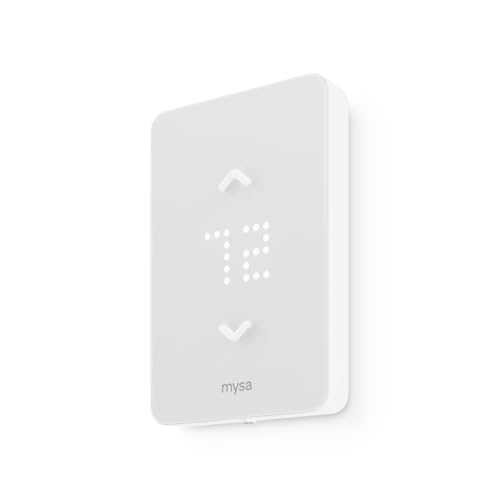
The Mysa Smart Thermostat LITE provides Wi-Fi control for line-voltage applications from 120V to 240V. It is designed for electric baseboard heaters, fan-forced heaters, wall heaters, and convectors. The device emphasizes energy savings through scheduling and automation features. The Mysa app supports remote control, scheduling, energy reports, and smart integrations with Apple HomeKit, Alexa, and Google Assistant. A key benefit is the absence of subscription fees, ensuring ongoing access to all features. Installation is aimed at DIY users with standard wiring, and the LITE version focuses on essential smart controls without advanced display options, offering a balance between simplicity and automation for intelligent heating control.
Buying Guide: Key Purchase Considerations
- Voltage compatibility: Confirm whether your baseboard or high-voltage heater uses 120V, 208V, or 240V, and choose a thermostat rated for that voltage and the heater’s wattage.
- Wiring requirements: Some smart thermostats require four wires; others are compatible with simpler two-wire setups. Verify the existing wiring in your wall box before purchasing.
- Programmability vs. manual control: If you want schedules and energy savings, prefer programmable or smart thermostats. For simple, reliable on/off control, manual line-voltage models are sufficient.
- Smart integrations: For smart homes, select devices that work with HomeKit, Alexa, Google, or SmartThings. Consider whether you prefer voice control, app-based scheduling, or energy reporting.
- Installation complexity: Some models include floor or ambient sensors and require more extensive wiring or positioning considerations. Review installation guides to estimate time and required tools.
- Safety features: Look for units with built-in protections such as GFCI (in moisture-prone areas), clear temperature displays, and robust casings for high-current loads.
- Maintenance and reliability: Manual thermostats have fewer failure modes (no electronics), while smart thermostats offer long-term convenience but rely on network stability for full functionality.
- Warranty and support: Check the manufacturer’s warranty terms and whether local electricians can assist with installation if needed.
When selecting a thermostat for baseboard heating, balance voltage, wiring capabilities, and desired control features. For homes seeking modern automation, smart models from Meross or Mysa provide app-based control and voice compatibility. For straightforward reliability, classic line-voltage options from Honeywell or Cadet deliver predictable performance. For spaces requiring precise floor or room temperature management, Stelpro Concerto offers adaptive scheduling with additional safety features.