Best Thermostats for Electric Baseboard Heating
Choosing the right thermostat for electric baseboard heaters can improve comfort and reduce energy use. This guide highlights five reliable options, spanning simple manual models to smart, Wi‑Fi enabled choices. Each product is evaluated for compatibility with high‑voltage baseboard systems, wiring requirements, and user convenience in American homes.
| Product | |
|---|---|
| Honeywell Home CT410B | Simple, reliable manual control for 120–240V systems |
| meross Smart Thermostat | Voice control and app scheduling for high‑voltage systems |
| Mysa Smart Thermostat LITE | Wi‑Fi control with scheduling for baseboard heaters |
| Cadet F Series BTF2W | Easy end‑to‑end mounting on Cadet baseboards |
| Honeywell Home RLV4305A1000 | Accurate, silent operation with 5‑2 day programming |
Honeywell Home CT410B Manual Thermostat
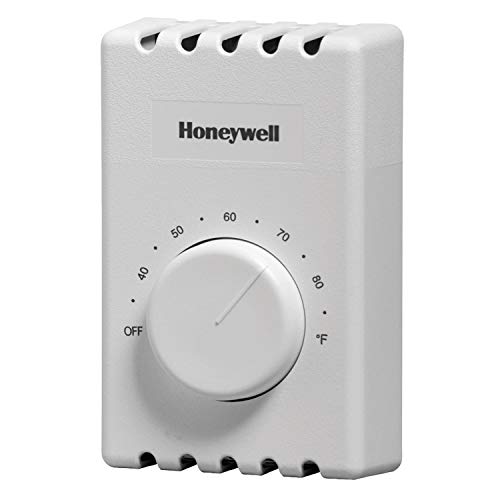
The CT410B is a non‑programmable line voltage thermostat designed for electric baseboards, convectors, and non‑inductive fan‑forced heaters. It operates on 120–240V and uses a bimetal sensor for simple, dependable control. With straightforward operation, this model suits homes prioritizing reliability over smart features or scheduling.
Meross Smart Thermostat For Electric Baseboards

Meross offers a smart, 120–240V thermostat compatible with Apple HomeKit, Alexa, and Google Home. It requires four or more wires in the electrical box and supports voice control, energy‑saving scheduling, and remote operation. It’s designed for high‑voltage systems like baseboards, convectors, and fan‑forced heaters, with a relatively quick installation window for DIY enthusiasts.
Mysa Smart Thermostat LITE For Electric Baseboards
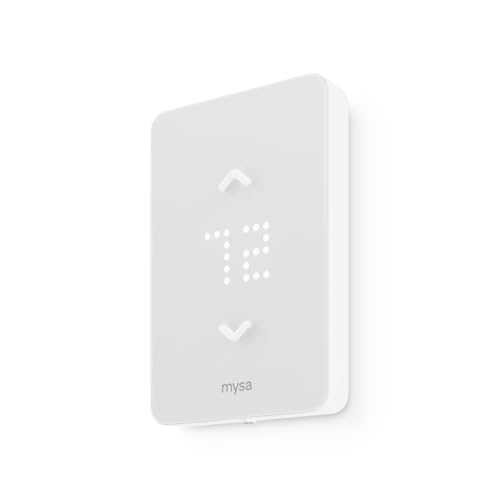
Mysa’s LITE model provides Wi‑Fi control for 120V–240V baseboard heaters and other line‑voltage devices. It emphasizes energy savings through schedules and remote access via apps, with ongoing support for HomeKit, Alexa, and Google integration. A four‑wire (or better) setup is typically required for full functionality.
Honeywell TL8230A1003 Line Volt Thermostat
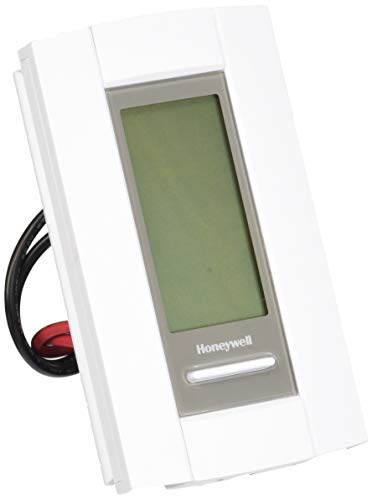
The TL8230A1003 is a seven‑day programmable line‑voltage thermostat offering precise electronic temperature control and quiet operation. It supports 208/240V and uses a four‑wire setup. The unit helps users tailor heating programs across the week to balance comfort and energy use.
Cadet F Series BTF2W Baseboard Thermostat

This Cadet F Series double pole thermostat is designed for Cadet electric baseboard heaters, with a 22‑amp capacity and a 45–80°F (7–27°C) range. It mounts neatly at either end of a Cadet heater, simplifying installation and reducing wiring work for compatible baseboards.
Honeywell Home RLV4305A1000 Programmable Thermostat

The RLV4305A1000 is a digital five‑two programmable thermostat for electric baseboards and similar heaters. It emphasizes accuracy (±0.27°F) and silent TRIAC switching, reducing temperature swings and operational noise while enabling scheduled heating across weekdays and weekends.
Buying Guide: Key Considerations For Electric Baseboard Thermostats
- Voltage compatibility: Most baseboard models require 120–240V operation. Confirm your system voltage before purchasing.
- Wiring needs: Some smart models need four wires and a neutral or second live wire. Verify existing wiring in your wall box to ensure compatibility.
- Control type: Manual thermostats are simple and reliable; programmable and smart thermostats offer scheduling, remote control, and energy analytics. Choose based on desired automation level.
- Heat source compatibility: Ensure the device is rated for baseboard, convectors, or fan‑forced heaters as appropriate for your setup.
- Installation effort: Some units mount directly to the baseboard or require mounting at the end of the heater. DIY installers should review mounting options and included hardware.
- Energy savings: Programmable or smart models can significantly reduce heating costs when schedules match occupancy patterns.
- Smart ecosystem: If you use HomeKit, Alexa, or Google Home, prefer a thermostat with those integrations for voice control and scenes.
- Display and readability: Look for a model with clear backlit or readable displays, especially for night use or dim lighting conditions.
- Noise: Some units are explicitly designed for quiet operation to minimize audible switching noises in bedrooms or offices.
- Reliability and warranty: Check product warranties and the availability of replacement parts or support from the brand.
The right thermostat for electric baseboards balances voltage compatibility, wiring readiness, and how much automation you want. Manual models offer simplicity and durability, while smart options add remote control, learning capabilities, and energy insights. For homes using Cadet baseboards, built‑in Cadet models can streamline installation. In larger homes, a programmable or smart thermostat with robust scheduling can provide more consistent comfort and potential energy savings.