Best Thermostats for Electric Heaters: Top Plugin and Hardwired Options
The right thermostat can optimize comfort and energy use for electric heaters, from plug-in outlets to baseboard and wall-mounted units. This guide highlights five reliable options that work with common electric heating setups, with key features, compatibility, and installation notes to help you choose.
| Product | Brand | Type | Voltage | Highlights |
|---|---|---|---|---|
| EconoHome Adjustable Thermostat | EconoHome | Plug-in | 120V | Simple dial, energy savings |
| Honeywell Home CT410B | Honeywell Home | Line Voltage | 120-240V | Manual 4-wire control |
| HEATIT ET-21 | HEATIT | Outlet Thermostat | 120V | Low-temp activation, energy saver |
| Mysa Smart Thermostat LITE | Mysa | Line Voltage | 120-240V | Wi-Fi, app control, HomeKit/Alexa |
| meross Smart Thermostat | meross | Line Voltage | 120-240V | Smart integrations, no subscription |
These selections cover a range of installation needs, from plug-in and simple dial models to connected, smart options that integrate with home ecosystems. Each product is evaluated for ease of use, reliability, and energy-saving potential for typical American homes with electric heating systems.
EconoHome Adjustable Thermostat For Plug-In Heaters

EconoHome offers a straightforward plug-in thermostat designed for space heaters and similar devices. It uses a simple heat/cool switch and a preset temperature to automatically control connected equipment. The adjustable dial provides quick setup without digital programming, making it user-friendly for renters or homeowners seeking a quick energy-saving step. The temperature range spans 41-86°F, allowing for comfortable adjustments across seasons. This model emphasizes energy efficiency by maintaining a consistent ambient temperature, contributing to potential savings on heating costs.
What to consider: This is a non-digital, plug-in option, ideal where wiring changes aren’t feasible. It’s compatible with most standard outlets and delivers reliable on/off control at the setpoint. The ease of use is balanced with a more basic feature set, which may suit many rooms or office spaces rather than whole-home zoning.
Honeywell Home CT410B Manual 4 Wire
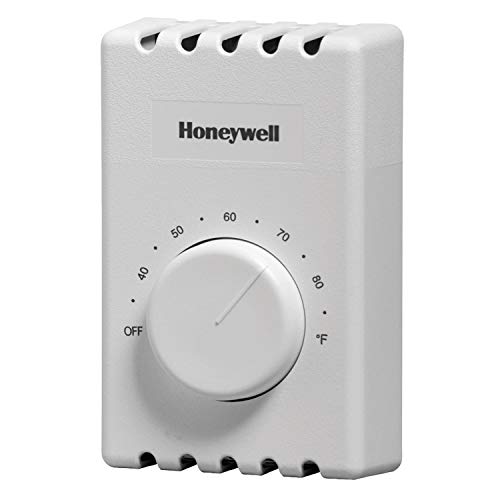
Honeywell CT410B is a line-voltage, manual thermostat designed for electric baseboards, convectors, and similar heaters. It supports 120-240 volts and uses a simple bimetal temperature sensor for dependable, straightforward operation. This model is well-suited for users who prefer a robust, no-frills control with predictable performance. It’s a practical option for rooms where precise digital scheduling isn’t required.
Considerations: As a manual, non-programmable device, it lacks smart features and remote control. It’s a durable choice for homes needing reliable, ongoing on/off control and straightforward temperature management without additional electronics or connectivity.
HEATIT ET-21 Temperature Controlled Outlet

HEATIT ET-21 provides a thermostat-controlled outlet with a clear indicator light. The unit energizes below 38°F (3°C) and turns off around 50°F (10°C), automatically managing power to the connected heater. It’s an energy-saving option that’s easy to install—simply plug into a standard outlet and connect the heater. This model is CSA approved for dry locations and supports up to 15 amps, making it suitable for small to midsize space heaters.
Use cases: It’s ideal for standalone heaters in colder rooms, basements, or workshops where a simple, automatic activation schedule is beneficial. Because it’s an outlet-based solution, it works well without modifying existing wiring or devices.
Diymore Digital Thermostat Controller For Heaters

Diymore’s digital thermostat outlet offers programmable modes (cycle timer, countdown ON/OFF) and a wide range of scheduling options. It can control a heater timing to operate in cycles or to turn on/off after a countdown, with a temperature control range from -40°F to 248°F. This unit provides a precise ±1% accuracy and supports data storage to retain settings after power loss. Note that the thermostat function and time function can’t be used simultaneously, so users should plan the primary control method accordingly.
Intended for flexible control of heaters and incubator-like environments, it blends digital timing with reliable temperature control for customizable routines and energy savings.
Mysa Smart Thermostat LITE For Line Voltage Heaters
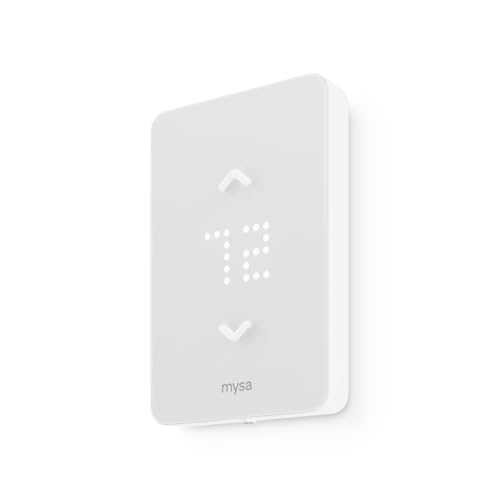
Mysa LITE is a line-voltage smart thermostat designed for 120V-240V electric baseboard and similar heaters. It supports app control, HomeKit, Alexa, and Google, enabling remote temperature management, scheduling, and energy reporting without ongoing subscription fees. This model is popular for homeowners seeking to integrate electric heating with a broader smart-home ecosystem, along with the potential for energy savings through programming and remote adjustments.
Installation notes: It requires a compatible wiring setup and a supported smart home hub, but the user experience is streamlined by the app and straightforward setup. It’s a strong option for those prioritizing connectivity and long-term energy management.
meross Smart Thermostat For Electric Baseboard Heaters

meross offers a Wi-Fi-enabled smart thermostat designed for 120V-240V baseboard and related heaters. It supports Apple HomeKit, Alexa, Google Home, and SmartThings, enabling voice control and app-based scheduling. The device requires at least four wires and a compatible high-voltage installation, but it provides sophisticated control without ongoing subscription fees. The thermostat is designed for easy installation and ongoing energy management through intelligent features and remote control.
Considerations: Ensure your system has adequate wiring and a compatible hub ecosystem. The meross model is well-suited for users who want broad smart-home integration, energy insights, and convenient remote operation.
Buying Guide: Key Purchase Considerations
- Installation type: Determine if you need a plug-in, outlet-based, baseboard, or wall-mount thermostat. Plug-in options are easiest for renters, while line-voltage wall thermostats suit permanent installations.
- Voltage and compatibility: Most electric heaters use 120V or 240V systems. Confirm that the thermostat supports your heater’s voltage and the number of wires required for control.
- Control features: Digital/programmable thermostats provide scheduling and energy reports, while manual models offer simplicity. Smart thermostats enable remote control, voice commands, and integration with home assistants.
- Energy savings: Look for features like precise temperature control, scheduling, and energy-aware modes. Energy savings often justify the higher upfront cost of smart models.
- Safety and certifications: For electric heating, ensure the device has appropriate certifications (CSA, ETL, etc.) and is intended for dry indoor locations or your specific environment.
- Wiring requirements: Smart thermostats generally require more wiring (often four wires). Verify that your system has the needed wiring and a compatible enclosure.
- Future-proofing: If you anticipate expanding smart-home integration, choose a thermostat compatible with your preferred platforms (HomeKit, Alexa, Google, SmartThings).
Choosing the right thermostat depends on whether you prioritize simplicity, wiring constraints, or advanced smart features. The options listed here provide a range of control methods, from basic dial-based units to connected devices that offer scheduling and remote management for electric heating systems commonly used in American homes.