Best UV Light for HVAC: Upgrade Indoor Air Quality
Choosing the right UV light for your HVAC system can help reduce airborne bacteria, mold, and odor-causing compounds. This guide highlights five reputable options available on Amazon, compares key features, and explains how to select the best UV solution for homes, offices, and small commercial spaces. All selections are designed for duct or coil integration, with emphasis on safety, ozone limits, and ease of installation.
| Product | Brand | Typical Use | Key Benefit |
|---|---|---|---|
| REKO Lighting R2000 | REKOLIGHTING | Whole-house duct UV-C lamp | European-made bulbs; easy duct installation |
| BioShieldUV 18W | Mammoth | HVAC system coils and ducts | Magnetic installation; ozone-tested |
| BioShieldUV HVAC 18W Dual | Mammoth | Whole-house duct UV-C lighting | LED indicator; complete installation package |
| R600 24V UV Light | REKOLIGHTING | Coil cleaner in duct | Magnetic bracket; 24V hardwire option |
| Qualirey 26W UV Light | Qualirey | Whole-house duct purification | Compatibility with common UV lamps; 253.7 nm |
Note: This article presents objective information about product features and installation considerations. Always follow manufacturer instructions and local electrical codes when installing UV-C lighting in HVAC systems.
REKO Lighting R2000 Air Purifier In Duct
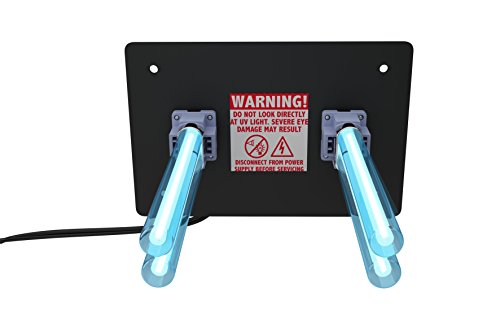
The R2000 model from REKOLIGHTING provides a UV-C system designed for installation directly on HVAC ducts. It uses UVC bulbs emitting 253.7 nm to target microbial growth on coils and within ducts. The European-made bulbs emphasize quality, and the kit is intended to integrate with standard ductwork, offering a compact solution for residences and light commercial spaces. Installation considerations include securing the unit to metal duct surfaces and ensuring electrical connections are properly wired to the system’s transformer or ballast.
BioShieldUV 18W HVAC UV Light (Mammoth)

This 18W UV light from Mammoth is designed for easy magnetic installation, making it suitable for residential HVAC units, furnaces, and ductwork. It wires to the HVAC ballast and integrates within the existing electrical pathway, offering a straightforward upgrade without complex modifications. The product emphasizes safe operation with ozone by-product control, helping reduce concerns about indoor air quality while maintaining efficiency in operation and maintenance. Replacement bulbs are typically accessible and compatible with standard magnetic housings.
BioShieldUV HVAC Light Dual 18W (Mammoth)

This dual-bulb UV-C kit is designed for whole-house duct use, including two 9W bulbs with a 8,000-hour lifespan per unit when used under continuous operation. Features include an indicator LED to confirm power and bulb status, plus an installation package that typically includes templates, screws, a rubber grommet, and other mounting hardware. The design aims to minimize air handling disruption during installation and to provide dependable ongoing performance with regular bulb replacements.
R600 24V HVAC UV Light Coil Cleaner (REKOLIGHTING)

The R600 24V UV Light is designed to target air conditioning coil surfaces within ducts. Its 14″ 18W UVC lamp runs ozone-free at 253.7 nm and is recommended for hardwired 24Vac installation with a dedicated transformer for best results. A magnetic bracket supports easy placement, aiding in securing the unit to duct walls or HVAC components. This option suits users seeking a compact, hardwired approach without relying on a plug-in arrangement.
Qualirey 26W HVAC UV Light In Duct

The Qualirey 26W device is designed for in-duct installation and supports UV-C light in residential and light commercial systems. It is compatible with common UV lamp configurations (D200, R18, R18D, R2000) and claims to cover 1–5 ton systems. The kit includes straightforward installation steps, a simple base with tubes, mounting hardware, and a 4.6-foot lead for easier wiring. Benefits emphasize improved air quality by limiting microbial growth on coils and within ducts, with a focus on ease of setup and durable operation.
Buying Guide: Key Considerations For Choosing HVAC UV Lights
- UV-C Wattage and Coverage: Higher wattage generally provides stronger disinfection but may require more robust power and space. Match wattage to the size of the HVAC system and the volume of air being treated.
- Installation Type: Magnetic, fixed-panel, or duct-mounted options each have pros and cons. Magnetic and clip-in designs offer easier swaps, while fixed or hardwired kits may be more permanent and require electrical work.
- Compatibility: Ensure the UV lamp is compatible with your duct size, coil type, and furnace or AC model. Some products advertise compatibility with specific lamp families (e.g., D200, R18, R2000).
- Ozone Emission: Look for ozone-free or ozone-limited products. EPA and CARB emissions data are important for safe operation in occupied spaces. Compare stated by-product levels to avoid odor or irritation concerns.
- Indicator and Maintenance: LEDs or indicators that show when the lamp is on help with maintenance planning. Check replacement bulb availability and typical lifespan to minimize downtime.
- Ease of Installation: Packages that include templates, mounting hardware, and grommets reduce installation friction. Consider whether professional installation is advisable for 24V hardwired designs.
- Energy Use: UV-C lamps consume electricity, but generally less than many other air-cleaning options. Consider overall energy impact in the context of your HVAC system.
- Maintenance Schedule: Plan for bulb replacement intervals. UV bulbs degrade over time, and proper handling (protective gear and cooling during replacement) is recommended.
- Safety: UV-C light should be shielded from direct exposure to skin and eyes. Check product designs for shielding and installation guidance to minimize exposure risks.
- Cost of Ownership: Evaluate initial cost, installation, filter/coating compatibility, and ongoing bulb replacement costs when comparing options.