Best Ventless Heaters for Garages: Safe, Efficient Garage Heating Solutions
Ventless heaters offer a convenient way to warm a garage without complex venting. This guide highlights five top-rated options, covering a range of BTUs, fuel sources, and installation styles. Each choice includes practical features designed for garage use, from adjustable thermostats to safety shut-off systems. Whether you need quick heat during winter projects or consistent warmth for year-round work, these models provide reliable performance for American garages.
| Product | BTU | Fuel | ||
|---|---|---|---|---|
| Mr. Heater F260550 Big Maxx MHU50NG | 50,000 | Natural Gas | Up to 1250 sq. ft. | Vertical/horizontal venting; external thermostat access |
| ProCom MN300TBA-B | 30,000 | Natural Gas | Up to 1400 sq. ft. | Includes wall mount and base feet; thermostat control |
| ProCom ML300TBA-B | 28,000 | Propane | Up to 1400 sq. ft. | Blue flame infrared; slim profile |
| Dyna-Glo IR30PMDG-1 | 6,000–30,000 | Propane | Up to 1000 sq. ft. | Infrared, vent-free, wall/ceiling friendly |
| Mr. Heater F260560 Big Maxx MHU80NG | 80,000 | Natural Gas | Up to 2000 sq. ft. | Includes hardware; robust heat output |
Mr. Heater Big Maxx MHU50NG Review
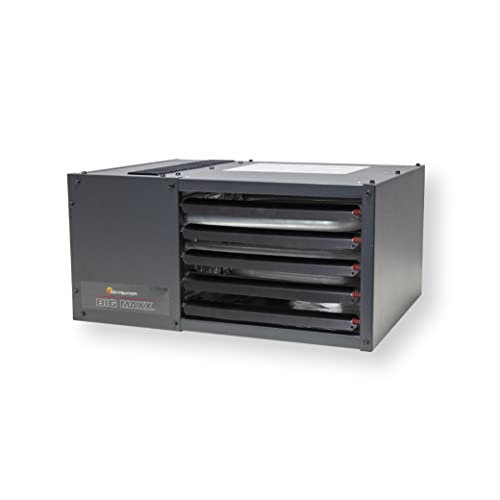
The Mr. Heater F260550 Big Maxx MHU50NG is a natural gas unit heater designed for garages and larger spaces. With a 50,000 BTU rating, it can heat areas up to about 1250 square feet, making it suitable for standard American garages. The heater supports both vertical and horizontal venting, offering flexible installation options. A key feature is easy outside access to thermostat, A/C terminals, and gas connections, simplifying maintenance and adjustments. This model emphasizes durable construction and consistent warmth for cold months, driven by reliable natural gas performance. For garages needing robust heat with straightforward integration, this unit provides dependable operation and accessible controls.
ProCom MN300TBA-B Ventless Gas Heater

The ProCom MN300TBA-B is a ventless natural gas blue-flame space heater offering 30,000 BTU and coverage up to 1400 square feet. It includes wall-mount hardware and base feet for flexible installation. Thermostat control provides High/Medium/Low settings to maintain steady comfort in a garage environment. The unit’s compact design combines practical heat output with a slim, modern profile, making it suitable for garages, workshops, or home offices where wall space is at a premium. It emphasizes dependable heat delivery with an unobtrusive footprint and straightforward setup.
ProCom ML300TBA-B Infrared Ventless Heater
The ProCom ML300TBA-B combines 28,000 BTU propane heat with a compact vertical footprint. This blue flame infrared heater is designed for spaces like garages, offices, or living areas where space is limited but heat is needed. A thermostat control offers High/Medium/Low settings to help maintain a comfortable temperature while managing fuel use. Its modern slim profile fits well in rooms where aesthetics matter as much as function, and the included base feet or wall-mount hardware provide versatile installation options. This unit emphasizes efficient heat distribution and user-adjustable warmth for mid-sized spaces.
Dyna-Glo 30K Infrared Vent Free Heater

The Dyna-Glo IR30PMDG-1 is a vent-free infrared heater that delivers 6,000 to 30,000 BTU, suitable for spaces up to about 1,000 square feet. This model operates on liquid propane, leveraging infrared technology to warm objects and people directly for rapid comfort. Its vent-free design means simpler installation, though it requires careful placement away from combustibles and proper clearance. The infrared approach can feel more immediate in a garage setting, making it a practical option for spot heating or supplemental warmth during cold days or extended work sessions.
Mr. Heater Big Maxx MHU80NG Review
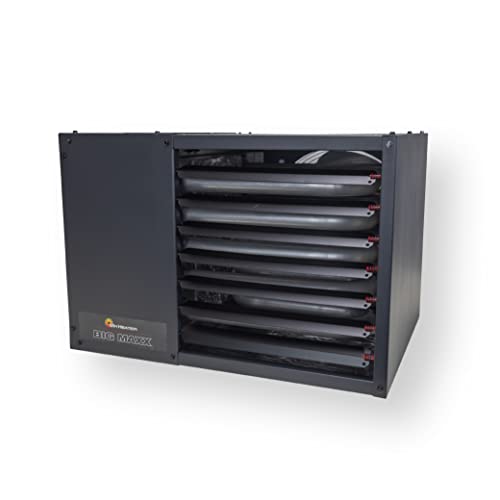
The Mr. Heater F260560 Big Maxx MHU80NG provides a higher heat output with 80,000 BTU for larger garages or workshop spaces, capable of efficient heating up to about 2000 square feet. It features robust construction and is designed for natural gas supply with venting options suited to larger installations. The unit’s dimensions and high BTU capacity translate to powerful warmth for extensive spaces, including exposed workshops or garages with higher heat demands. Installation flexibility and durable components support long-term use in demanding environments.
Buying Guide: Key Purchase Considerations
- Space and BTU requirements: Match heater output to garage size. Larger spaces benefit from higher BTU units (60,000–80,000 BTU), while smaller garages can be adequately warmed with 10,000–30,000 BTU models.
- Fuel type and availability: Natural gas units require a gas line, while propane units use portable tanks. Ventless models minimize venting needs but require proper clearance and indoor air considerations.
- Vent configuration: Vent-free heaters are easier to install but must be placed away from flammables and with adequate oxygen levels. Venting options (vertical or horizontal) in some models offer installation flexibility.
- Thermostat control: Integrated thermostats help maintain steady comfort and can reduce fuel consumption. Check for adjustable High/Medium/Low settings and remote thermostat compatibility if needed.
- Safety features: Look for oxygen depletion sensors, automatic shut-off for unsafe conditions, and flame supervision features. These enhance safe operation in enclosed spaces like garages.
- Installation and mounting: Wall mounting, base feet, and included hardware influence ease of setup. Consider whether you need a wall-mounted unit or a freestanding option for your space.
- Maintenance and accessibility: Units with easy exterior access to gas connections, thermostats, and servicing points simplify routine maintenance and potential repairs.
- Durability and warranty: Choose models with robust materials for workshop environments and assess warranty terms to gauge long-term coverage.
- Cost of operation: Compare fuel efficiency and expected running costs for different BTU ranges and fuel types to estimate ongoing expenses.
- Placement considerations: Ensure adequate clearance from walls, storage, and overhead items. Verify local codes and venting requirements for garage installations.